
Overhauling polluting industries or creating initiatives that actively combat and slow climate change are frequently touted as too expensive or something that can be delayed; however, there are profound consequences to inaction. From economic repercussions and ecological devastation to existential disruptions, it’s time to confront the price we will all pay for procrastination.
Bringing awareness to the many issues our planet currently faces is why I joined the Climate Change Collective; a group of environmentally-minded bloggers who want to share climate action news that motivates and informs — keeping the subject at the forefront of everyone’s minds.
Created by Michelle from Boomer Eco Crusader and Jamie of Jamie Ad Stories; each month a different member of the collective takes turns to write a lead/focus post that shares key details, concerns and/or unique perspectives about climate change. Once the post is published, the rest of the group will link to it in a response-style blog on their own sites; discussing any thoughts and ideas about the information/issues raised.
The collective is currently open to any other bloggers who want to join; if you’re interested, get in touch.

Collective Climate Action
Marking a year since we began this climate conscious journey together, this month’s lead/focus post was written by Jamie Ad Stories. In his thoughtful exploration he writes about the relaxed view some still have about the heatwaves wreaking havoc across Europe and why this is feeding into an incorrect and dangerous belief that taking climate action can somehow wait — which simply isn’t true.
The time has come to make fossil fuel consumption a less favorable option. We need to turn back the clock and undo some of the damage we have done with industrialisation and urbanisation. | Warmer Weather – What’s Not To Like? – Jamie Ad Stories
Delaying any kind of climate action, particularly on issues that have direct and real-time impacts, only serves to exacerbate their severity. Many of us are familiar with and understand the basic life concept that leaving something too long often ends up making it harder to deal with, which is applicable when failing to address global warming.
Like any health issue that’s left to fester too long, the initial problem gets more complicated by waiting to act. In much the same way, failing to slow or solve the causes of climate change will add to the consequences that irreversibly compromise the well-being of the planet.
Delaying climate action comes with hidden costs that have far-reaching impacts on the environment, economy and society. Building a sustainable future starts now!
A Looming Crisis: How Climate Inaction Damages Economic Growth
There are a number of ways in which unchecked climate change negatively impacts the financial stability of countries around the world. When looking at the U.S., for example, an analysis carried out in 2022 by The White House Office of Management and Budget predicted that inaction regarding the climate crisis would cost taxpayers an estimated $2 trillion a year — and this is just one country. Research carried out by the Deloitte Center for Sustainable Progress found that it will cost the global economy $178 trillion over the next 47 years.
Climate-related issues that increasingly drive economic uncertainty include:
- Increased Disaster Costs: Recovering and rebuilding infrastructure will become more expensive as climate-related disasters like wildfires, floods and hurricanes occur with increasing frequency and ferocity.
- Rising Healthcare Expenses: Health problems and excess deaths linked to heatwaves and air pollution raise healthcare costs and reduce workforce productivity.
- Agricultural Productivity Decline: Climate change disrupts growing seasons, reduces crop yields and harms livestock — all impacting agricultural sectors and food prices.
- Supply Chain Disruptions: Extreme weather events and sea-level rise disrupt transportation, shipping and production, which cause supply chain delays and higher costs.
- Tourism Revenue Loss: Climate-related issues like heat stress or natural disasters deter tourists, which in turn hurts local economies and the tourism industry.
- Migration and Seeking Refuge: Climate-induced displacement of populations leads to additional economic burdens for the communities, families and people having to leave their homes; social tensions may arise in host countries that struggle to accommodate new arrivals.
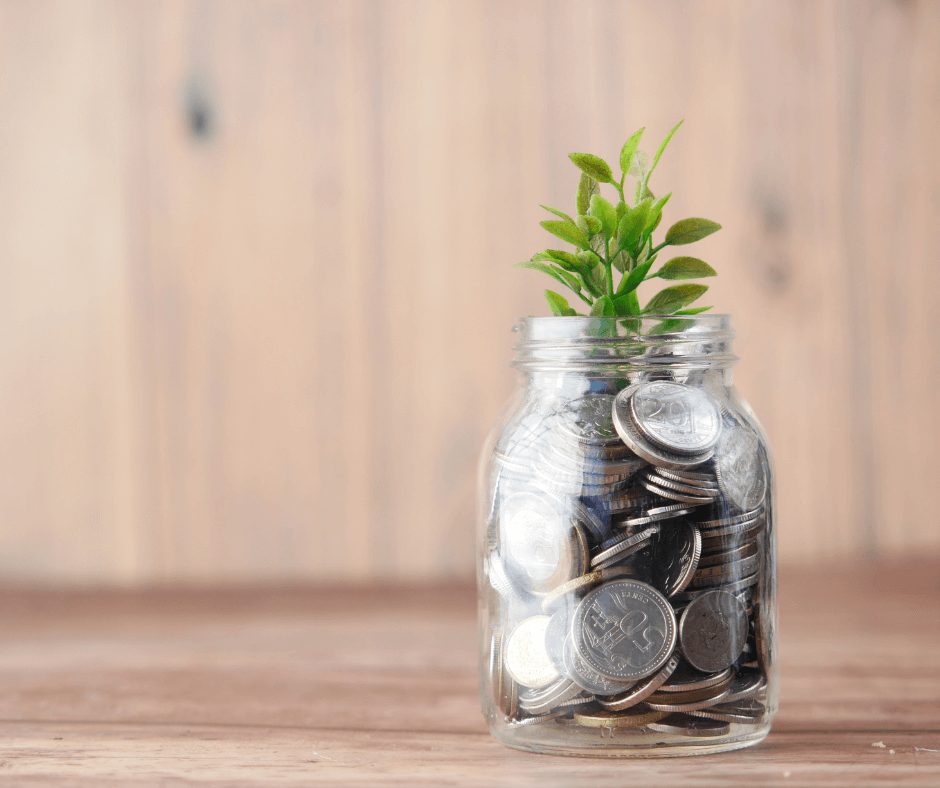
The world stands to lose close to 10% of total economic value by mid-century if climate change stays on the currently-anticipated trajectory, and the Paris Agreement and 2050 net-zero emissions targets are not met. | The Economics of Climate Change: No Action Not An Option (2021) – Swiss Re Institute
There is no denying that well-planned, robust, and innovative action to combat the causes and effects of climate change will require substantial financial investment — not to mention a coordinated governmental and industrial shift towards eco-friendly initiatives — but progress is still possible. Implementing solutions that proactively address climate change offer a chance at sustainable growth that boosts investment opportunities, creates jobs, and improves population health.
How Climate Inaction Endangers All Life On Our Planet
Addressing climate change requires urgent and coordinated action on a global scale. While individual and community responsibility fulfils an important role, mitigation efforts require leaders from all nations to support sustainable resources as well as green technologies and advancements. International cooperation is critical to safeguarding the planet from the dangerous consequences that failure to respond to global warming will bring.
Some of the ways climate inaction endangers life of Earth include:
- Rising Global Temperatures: The average global temperature has been steadily rising due to increased greenhouse gas emissions. This warming leads to more frequent and intense heatwaves, which can be deadly for humans, animals and plants; it can also exacerbate existing health issues.
- Extreme Weather Events: Climate change intensifies extreme weather events such as hurricanes, typhoons, droughts and heavy rainfall, leading to widespread destruction of ecosystems, loss of biodiversity and the displacement of communities.
- Sea-Level Rise: Melting ice caps and glaciers, along with the expansion of seawater as it warms, contribute to rising sea levels. This puts coastal communities and low-lying regions at risk of inundation, leading to the loss of habitat, property and livelihoods.
- Ocean Acidification: The absorption of excess carbon dioxide by the oceans is causing them to become more acidic. This is harmful to marine life, particularly organisms with calcium carbonate shells, such as corals and shellfish, as it affects their ability to build and maintain their protective structures.
- Loss of Biodiversity: Many species are facing challenges due to climate change. Habitats are shifting and some species may struggle to adapt or find suitable environments to survive. This leads to a loss of biodiversity, disrupting ecosystems and ecological balance.
- Human Health Impacts: Climate change can worsen air quality, increase the prevalence of vector-borne diseases and exacerbate health issues related to extreme heat. These health impacts affect both human populations and the overall health of ecosystems.
- Social and Economic Consequences: Climate change-induced disasters and environmental pressures can lead to social unrest, migration and economic losses. These issues can strain societies and lead to regional and global instability.
- Food Insecurity: Climate change affects agricultural productivity, water availability, and the viability of fisheries. Changes in temperature and precipitation patterns can lead to crop failures, food shortages and increased food prices, posing a threat to food security for millions of people.
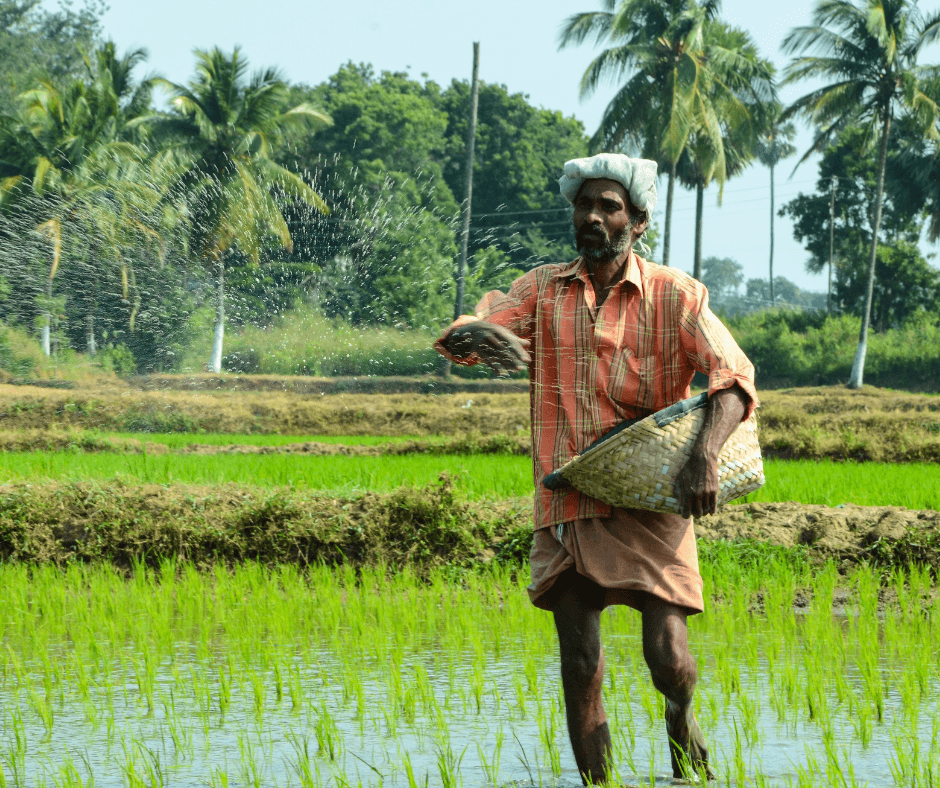
Climate change presents an urgent global challenge that spares no one. From vulnerable communities to developed nations, we all face the consequences of inaction. However, by demanding collective steps be taken that champion sustainable practices, we can fully commit to safeguarding our planet for future generations.
How To Take Steps That Encourage Climate Action
Getting government leaders to take meaningful climate action can be a challenging task, particularly if they are funded by fossil fuel industry donors. Citizens and activists must unite in a powerful and persistent movement that raises awareness about sustainable and eco-friendly initiatives. Engaging with and/or donating money or time to educational causes, social media campaigns and public demonstrations all help to generate momentum that puts pressure on policymakers to act.
We have to remain well-informed and actively challenge our leaders to support environmental practises and sustainable innovations. This includes being aware of who to vote in and who to vote out. Advocacy doesn’t just involve protesting or petitions, it’s also about supporting political candidates who have a track record of prioritising and establishing climate action. Elections can significantly influence government priorities; we want those who are meant to work on our behalf to have a plan that takes care of our planet’s needs.
Environmental activism is crucial in combating the escalating threats posed by climate change like loss of biodiversity and economic strain. By upholding sustainable practices and policies, we defend the planet’s delicate ecosystems and ensure resource preservation that secures a healthier, livable world for all inhabitants.
Remember, achieving progress often requires continued efforts and involvement of various stakeholders. By employing a combination of grassroots campaigns, public pressure and informed communication, we can help drive change that prioritises climate action.
To find some great global nonprofits to support that work to protect the environment, click here.
In Summary
In the face of intensifying climate crises, the need for an immediate, progressive response has become undeniable. Further delay not only carries significant consequences for the environment, it compromises global stability and throws a secure and sustainable future into imbalance.
It’s imperative that individuals, communities, governments and industries act decisively and collaboratively in pursuit of climate resilience and a greener world.
Were you aware of the negative impacts of delaying climate action? How are you becoming an advocate for the environment?
Further Info:
Florida Ocean Temperatures Surpass 100 degrees Fahrenheit – CBS News
How Heat Waves Form, and How Climate Change Makes them Worse – Vox
 transatlantic | notes
It’s so sad to see how the issue of climate change was politicized to such a great degree that nothing gets done. We are our own worst enemies…
I agree with you; it would be great of the political “leaders” could actually do something more robust. This situation isn’t going away and it will only get worse!
Another good post about climate change. I learned something from reading this post. Thank you for sharing.
It’s great to here this was useful and informative; thank you so much for stopping by!
I am utterly terrified about how things are going at the moment. I wish they could do more! In the UK it seems they care more about money.
Corinne x
I feel much as you do and also see that too many people still care more about money — it’s truly sad!
A decline in agricultural productivity and supply chain disruptions are two things we’ve felt locally related to climate change in the last couple years. The extreme weather such as heat domes and unexpected flooding has really made us feel the impacts.
I find the numbers you laid out about the cost of delaying action against climate change fascinating. The fact that those numbers and realities are out there and, yet, still things get delayed are mind-boggling.
Exactly right! The numbers are known (which are likely conservative estimates) and yet there is still some who peddle the false/distracting narrative that it’s too expensive to take climate action. We literally cannot afford not to!
That is definitely another way to look at it. Even though it’s expensive to make proactive decisions, it costs even more to do nothing about it. There is a payoff in the future. I do think companies and people with $$$$ have far larger footprints and would make the biggest impact if they make the changes first. Thanks for sharing!
Nancy
The cost of doing nothing or trying to fix things after the fact will end up being more expensive in the end (in many different ways); I hope that more leaders (and those with a particularly significant impact on the environment) take this more seriously.
You made me think about how repairing the damage from climate-related events is probably already costing as much as any measures needed to combat it. Great article!
I think inaction, in some instances, is already more expensive that actually doing something. I hope leaders wake up to this but I feel like they just pass on the issue too much. Thanks so much for reading!
I think the environment is always going to get pushed down the agenda when other issues take centre stage – wars, political muscle flexing, etc. As Jamie says, the economic consequences alone are reason enough to take things more seriously. Sadly, I don’t think any of the world’s politicians have the balls to force through the reforms and legislation to halt the decline.
I agree with you; it’s sad to see the urgent need for climate action reduced to a political football that often just gets kicked off to the side. I also don’t think enough world leaders have the guts to make robust change; very sad to think that things will only get worse because of that.
This is such an informative post. Thank you for using your platform to share this.
Lauren –
I’m glad this proved informative; thanks for reading!
Molly, thank you for sharing this post. I found it very helpful and insightful. I also hope that world leaders help stop the effects of climate change and turn our world into a greener world. It’s so scary every time I check the weather app and there’s always a weather warning/advisory warning in where I live and where my family/relatives live.
Mari /
The recent heatwaves and air quality issues that have been experienced recently should have been a wake up call for many people; I hope more and more become aware of the realities we are facing if we fail to act. Thank you so much for reading!
Very interesting post and love the tips and steps to take action. Doing nothing is not good. Thank you for sharing!
Thank you for reading; I’m glad this was useful!
Excellent post and another great addition to this series of posts. I always learn something from these and it really opens my eyes to new areas of climate change action.
Thank you — I am so glad that this was informative and helpful!
This is very informative. More definitely needs to be done, I worry for future generations and the world they will live in.
I worry too and I hope that leaders and individuals alike can come together without the denial and delay.
Far too often the policy in place is a reactive one rather than preventative. The downside unfortunately, the longer we keep on that path is the worse it gets. The worse it gets the more it’ll cost to repair and the cost is not only financial.
The costs of delaying or denying climate action are so far-reaching that so much damage will be done. I hope leaders and citizens alike become more involved and push for the changes we need. Thanks for reading!