
Reducing household waste can seem like an inconvenience or something that requires specialised skills to do effectively. The truth is, there are many individual actions we can take that minimise the amount of refuse we accumulate and throw away—many of which do not require a lot of prior planning or knowledge.
This post is part of the Climate Change Collective, a group of environmentally-minded bloggers who share valuable climate action news. Started by Michelle from Boomer Eco Crusader and Jamie from Jamie Ad Stories, each month a different member contributes a lead/focus post that the rest of the collective responds to on their own sites, further discussing the information and issues raised.
The collective is currently open to any other bloggers who want to join; if you’re interested, get in touch.
Collective Climate Action
The most recent lead/focus post for the collective was written by Caroline from Enviroline Blog; where she shares some practical suggestions about how to mitigate the impact climate change has on food security. With effective ideas like supporting sustainable agriculture, reducing food waste, buying Fairtrade items, and even going vegetarian or vegan, Caroline introduces some all-important actions we can make use of.
The lack of food is likely to increase the prices which have already increased lately. Hunger and increased prices cause conflict which leads to even more issues. So, we need to make some changes to try and reduce these impacts of food insecurity. | The Impact Climate Change Has On Food Security and How To Help – Enviroline Blog
One aspect of Caroline’s post in particular—reducing food waste—got me thinking about small everyday lifestyle changes we can make to reduce, reuse, and recycle not only food but other items. Most of us are able to do something that focuses on sustainability, and it’s within our own households that we can take steps towards positive climate action.
When we become committed to minimising what we throw away, we’re making a conscious decision to help protect the environment. Landfill space—where the majority of our trash ends up—produces a significant amount of greenhouse gases. As garbage decomposes, it releases methane and carbon dioxide, along with several other emissions that contribute to the intensification of climate change and its effects. While reducing what ends up in landfill sites represents a worldwide issue that may seem too big for any individual to tackle; doing what we can is important and should never be underestimated. Reducing our household waste is essential, as is educating others on efficient and effective eco-friendly choices—all of which makes a difference.
Landfills are the third-largest source of methane emissions globally, after oil and gas systems and agriculture. Although methane only accounts for about 11% of greenhouse gas emissions and lasts about a dozen years in the air, it traps 80 times more heat in the atmosphere than carbon dioxide does. Scientists estimate that at least 25% of today’s warming is driven by methane from human actions. | Satellite Data Finds Landfills Are Methane ‘Super-Emitters’ – NPR
In addition to greenhouse gases, landfills produce highly toxic liquid runoff (leachate) when snowmelt or rain passes through and collects the toxins released by decaying garbage. This can cause groundwater pollution that contaminates soil, streams, rivers, and water supplies.
It’s abundantly clear that we must make every effort to cut back on how much we throw away.

9 Ways You Can Reduce Your Household Waste
One overriding principle to adopt is the ‘reduce, reuse, and recycle‘ mantra; a sustainability mindset and lifestyle that promotes responsible consumption and waste management by focusing on:
- Buying fewer resources and products, especially those that are single-use items or ones that have a lot of plastic or packaging.
- Extending the lifespan of products and materials by finding new purposes or sharing them with others.
- Collecting paper, cardboard, glass, plastic, and aluminium cans from everyday waste to be taken to a local recycling centre where they get processed and used to create new products.
There are a number of everyday actions we can implement that will facilitate this climate-conscious lifestyle, including:
Menu Planning
About 30% of all food produced worldwide never gets eaten and ends up rotting away in landfills. From farming to manufacturing and distribution to consumption, produce loss and waste occur at every single stage; culminating in restaurants, hotels, grocery stores, and households throwing away vast amounts of food. In the United States, this accounts for the largest category of material found in refuse sites; therefore, carefully planning our meals will help reduce the amount of food we buy that ends up being unused and then thrown in the trash.
Even after careful organisation, there will be times when we end up with leftovers. Aside from making sure they are eaten and not discarded; we should get into the habit of factoring them into our meal planning, devising a menu that includes dishes you will use in a number of different ways. Not only is this beneficial for the environment, it also helps our finances by reducing expenditure on food that ends up in the bin. We can actively incorporate leftovers being made into soups, pies, casseroles, pasta bakes, or fillings for something like quesadillas or baked potatoes, for example.
Another effective way to reduce household food waste is to prepare a homemade stock or broth out of any vegetable scraps we may have. This can be frozen and used in soups, casseroles, gravy, stuffing, mashed potatoes, rice, and meat- or vegetable-based sauces.
Creating Compost
For any food scraps we are not making use of, instead of throwing them in the garbage, we can deposit them in a kitchen countertop compost bin. With many varieties available to buy; they are straightforward to operate, require little effort, and come in a range of prices and designs to fit most budgets and kitchen decor. The compost can then nurture soil and plants in our garden or household plants—or be gifted to friends and family members who can make use of it.
Reusable Food Storage
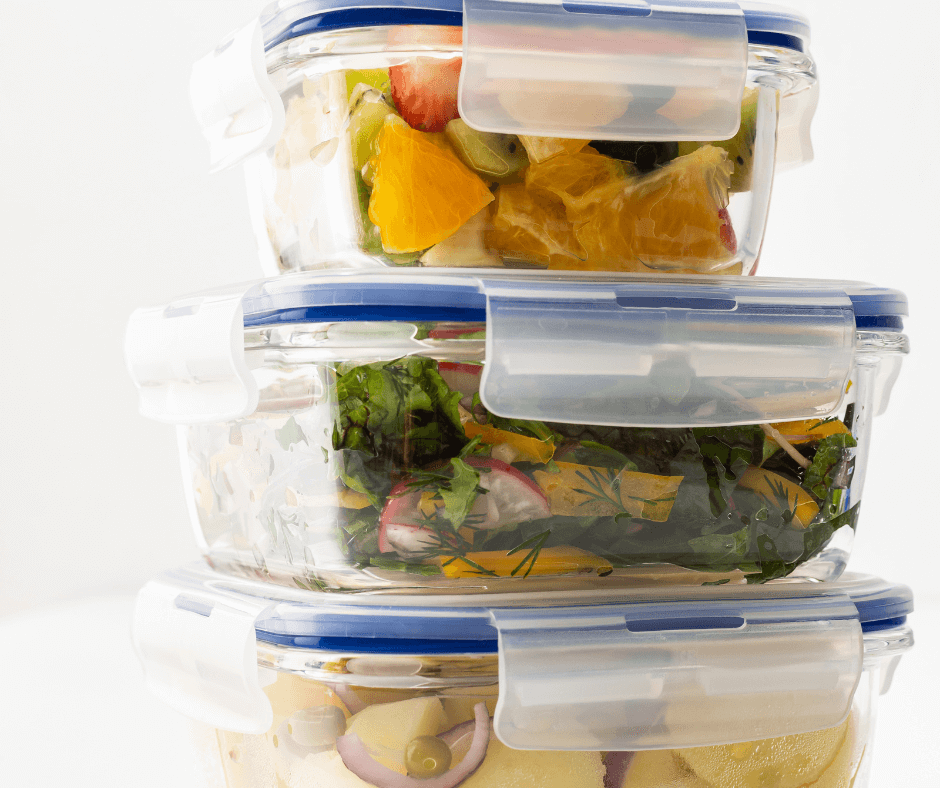
Ditch the plastic wrap, foil, and sandwich/freezer bags and opt for items that can be washed and reused. While plastic containers are a good alternative to single-use items, we should make certain the brand we have is both long-lasting and fully recyclable. Oven-safe glass versions (that come with a lid) are an even more convenient option because they can be utilized as bakeware as well as food storage. Both plastic and glass containers stack well and can be freezer-safe and reheatable—be sure to follow the manufacturer’s instructions when going from cold to hot and vice versa, because some containers may crack, weaken or shatter.
To replace disposable plastic wrap, there is now a really good range of natural, eco-friendly washable beeswax wraps, as well as washable and reusable food storage bags.
Eco-Friendly Grocery Bags
Reuseable grocery bags perform a crucial role in reducing household waste because they minimise the consumption of single-use plastic bags; which take hundreds of years to decompose and often end up in landfills, oceans and other ecosystems, harming wildlife. Preferably made from eco-friendly, durable materials, they offer a more sustainable option to contain and carry our shopping.
Paperless Billing
Where it’s appropriate to do so, we should opt out of receiving our bills through the mail and go online instead (many companies offer this service). Less paper being used significantly decreases what ends up in the garbage and also sends a clear message to organisations, companies and offices that minimising paper is something they should prioritise as part of a broader sustainability policy.
Making Notebooks
For paper that has only been printed on one side; we can give it another lease on life by making it into a scrap notebook for shopping lists, to-do reminders or quick messages. To ensure it remains 100% recyclable after use, it should be bound together with clips, string/ribbon, tape or staples that can be easily removed. If binding with glue, either apply very little or cut the glued section off before recycling as this can cause issues.
Alternatively, keep it simple by cutting the paper into smaller sheets (all the same size) and using a paperclip to hold them together.
Repurposed Cleaning Cloths
Switching to reusable, laundry-friendly cleaning cloths could not be easier or cheaper—all we have to do is cut up some old clothes! The best items for this are t-shirts, but anything made from soft fabric will work if it does not have buttons, zippers or studs that can scratch or cause damage. By laying the clothing on a cutting board or similar protected flat surface, we can use scissors to carefully cut the material into squares; making dusters or alternatives to paper towels that can clean, polish, dust or wipe down most household items and surfaces.
These repurposed cloths can also be used when making our own natural, non-toxic cleaning wipes.
Rechargeable Batteries
All batteries contain toxic chemicals that are difficult to recycle and harmful to the environment. Due to components, like lead and cadmium, which can leach into soil and water when improperly discarded, they can cause pollution and harm to sensitive ecosystems. This is why limiting the number of hazardous batteries in landfills is important.
Replacing the disposable, single-use versions with more eco-friendly rechargeable batteries will continue to power our everyday items while also making sure we do not unnecessarily add to household waste.
To find out how to recycle or dispose of batteries properly, click here.
Washable Hygiene Items
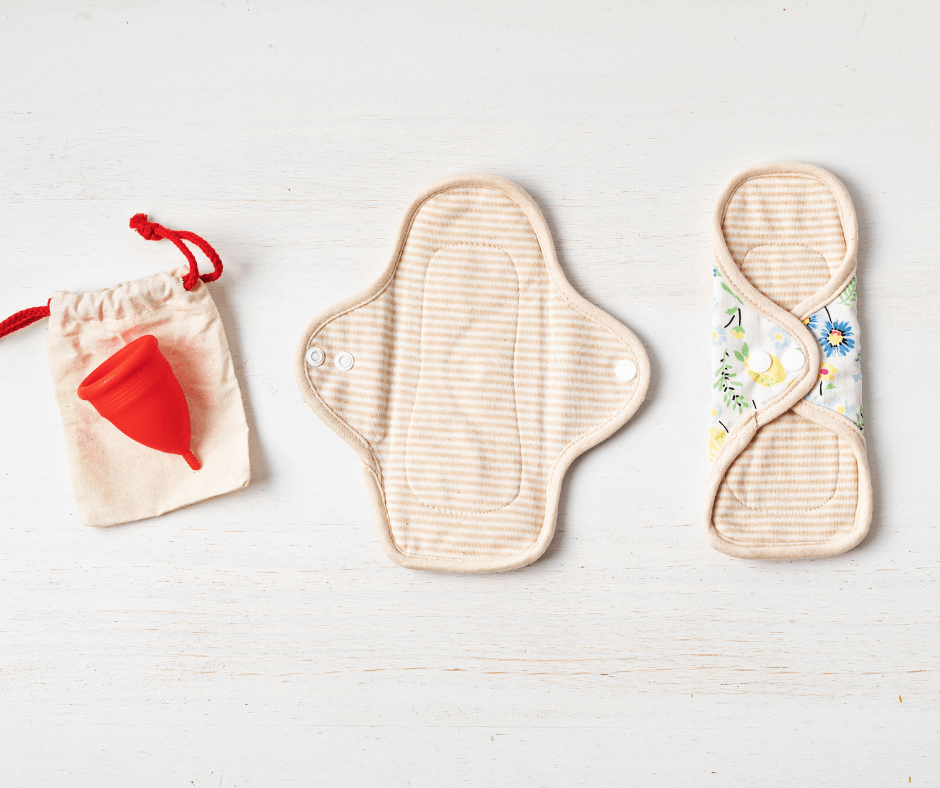
Many hygiene products are disposable and end up being thrown away after just one use. Replacing some of them with washable alternatives means we can significantly decrease how much of it ends up in our garbage. Depending on what is manageable, we can switch to things like cloth diapers, period underwear, menstrual cups, or loo rolls, period pads, and make-up removers made from 100% cotton or other fabrics.
Reusable hygiene items are not only an eco-friendly choice that promotes sustainability for the health of our planet; they also end up becoming a more cost-effective option for many households—something that other environmentally conscious products can end up achieving.
Overcoming Barriers to Reducing Household Waste
There can be certain challenges to overcome when aiming to scale back what we throw away; it’s useful to remember that we should focus on what we can do rather than what we will struggle to do.
An appropriate first step in making positive eco-friendly changes is taking a look at the areas of our daily lives where we can start to reduce, reuse, and recycle. Identifying and assessing consumption habits and waste production will point us in the right direction, possibly highlighting what sustainable alternatives we can start using.
- Convenience and Habits: Established habits and routines can be difficult to change. The prevalence of disposable products and the convenience they offer sometimes interferes with the desire to reduce waste. People may also be resistant to adjusting their behaviours, with some individuals being initially unwilling to adopt new attitudes related to waste reduction.
- Time Constraints: Leading busy lives and finding ways to adapt and fit into new waste reduction routines like recycling and composting may initially be too demanding.
- Limited Access: In some areas, access to recycling and composting facilities may be limited or inconvenient, making it challenging for people to properly dispose of waste in an environmentally responsible way.
- Cost Considerations: Eco-friendly and sustainable products can sometimes be more expensive than their disposable counterparts, which can deter individuals and families from making more sustainable choices.
If we encounter challenges that limit our ability to access or implement a more sustainable lifestyle, it’s essential we do not feel too negative about this—sometimes a personal situation or circumstance means we may be unable to do everything we would like. Even if we start small with one change, we will undoubtedly find other ways to evolve and adapt our choices.
In Summary
In the pursuit of a greener future, finding sustainable methods to curtail household waste is paramount. We should feel empowered to make choices that work towards a positive environmental impact and discover ways to bring them into our daily routines.
Every action we perform that cares for our planet is important; no change is too small, and no beginning is too late. If we remain well-informed and adopt mindful consumption and disposal practices; there is every possibility that we will scale down our ecological footprint and help promote a fight for a healthier planet.
Which of these waste reduction strategies could you incorporate into your daily routine? Have you taken steps to reduce waste in your home? If so, what has been successful, and what was most challenging?
Further Info:
Zero-Waste Starter Guide – Net Zero Company by Tru Earth
How To Go Plastic Free With Your Toilet Paper – A Sustainably Simple Life
 transatlantic | notes
Some great ways to reduce household waste! Reusable food storage is a great way to make food for the week ahead, which means less waste! x
Lucy |
I find that reusable food storage has been a game changer, and you’re 100% right, it makes food prep so much easier!
Terrific! If everyone does 1% better we’d be 4-billion percent further along in saving this planet!
Exactly! Just one or two simple changes can make the world of difference!
I have made great progress in reducing our household waste. My biggest challenge? The other people who live in my house. They’re good in some ways but, in other ways, they just aren’t on board. I try not to nag but it’s so hard.
Yes, it’s the same with me trying to get my husband to be less wasteful. He definitely prefers convenience but has come around to a few of my eco-friendly ideas!
Great tips! Which reminds me that I need to invest in a period cup or period panties
For me, period panties have been useful to use at night, they are a great way to reduce waste from menstrual products!
Switching to washable cloth period pads was such a game changer for me. They feel so much better and I love that there is no plastic waste going to the landfill every month. The main barrier is them being more expensive, but I purchased a couple at a time and built up a collection that way. So so worth it!
This is what I plan on doing, when I can afford to do so I will buy a few things and slowly build up from there. It’s so great to be able to reduce waste this way!
Great suggestions! In supermarkets, fruit and vegetables have had their dates removed in some stores so they are on display as long as they look healthy. I remember we never had dates when I was young. We just sniffed the milk etc to work out if it was done with. There are lessons to be learned here.
I pretty much do this now (look at things, smell test etc.) rather than focus on the use by date and my husband is horrified by it, haha! If it’s still good, it’s still good and does not need to be thrown away.
Really great tips! Doing some of these already, but others I need to work on. Yes, habit can be a deterrent to resisting change, but I think if we put our minds and efforts to it, we can eventually change our ways and start becoming more green-conscious! Thanks for sharing these; it was a great reminder for me.
It’s great to hear you are already doing some of these, it shows that we can adapt and make small changes over time that become second nature. Thanks so much for reading!
Many excellent tips thank you. I have been working hard to reduce food waste in our household. It’s amazing how ingredients can be repurposed.
Thank you for sharing these helpful tips.
I am so glad this was useful; reducing our household waste is a great way to make a difference to the planet.
I like this! I’m trying to be better about mindful consumption, especially with what happens with household waste. I’ve been composting, which has been great for the garden! I love using the glass containers. They’re non-reactive. I’ve stopped using notebooks when I can… Going online so I don’t have clutter in my house either 🙂
Thanks for sharing these tips!
All of the things you are doing are great; they will all make a huge difference to how much waste your household produces. I also love the fact that it declutters my home too—it’s a win win!
Menu planning is a great tip! I try to reduce waste as much as possible, especially planning my meals every week. Thank you for sharing these tips 🙂
I have found this has really helped, it’s one of the best ways to reduce food waste (which I used to have much more of). It feels good to do this each week!
Great post with some awesome ideas. I already compost and try to meal plan to reduce waste but it doesn’t seem like enough. I need to try some of these more sustainable and reusable products you’ve highlighted. Thanks for this!
It’s great that you meal plan and compost, both of those make a huge difference. I think reusable products are a great option to add and certainly help reduce how much waste we regularly create.
These are great ways, it’s good to reduce, I try not to have it living alone.
Thank you so much for stopping by to read!
These are all effective and practical ways we can reduce household waste. Since investing in things such as beeswax wraps, glass storage containers, and carefully planning my grocery list ahead of time, it’s not only reduced my waste but saved me a ton of money. I also love your tip about making a notebook and using a paperclip to keep it together! I have so many paper scraps lying around, so it’ll go to good use. Thank you for sharing Molly!
Exactly! I think a lot of people don’t realize how cost effective it ends up being to reduce waste and go eco-friendly. It sounds like you have made a really useful series of changes that are working well for you!
This is fantastic advice on how to reduce household waste.
I regularly plan our meals and incorporate leftover ingredients into the next meal to ensure we’re not wasting food. I also use reusable containers and storage bags, and Denmark is pretty good with recycling and I just have to go downstairs to recycle glass, metal, plastics, paper, and textiles. I have period underwear from WUKA, and they are game-changers!
I wish where I lived was better at recycling, it’s a bit haphazard and not done everywhere. I love the sound of the pants from WUKA, anything like that makes way more sense that endless sanitary products!
These are some brilliant suggestions, Molly. We do have a couple of compost bins and use old clothes as dusters or wash cloths. But I hadn’t thought about a homemade stock or broth with veg leftovers, or a scrap notebook – thank you!
They are little things but they really due reduce the waste we generate from food and paper. At least things get a second lease of life before we end up throwing things away.
Lots of great suggestions here. I’ve been using the same Tesco carrier bags for my shopping for like 4 months haha! Although they are the plastic ones, I re-use them over and over again so I’m not unnecessarily getting more. I also have re-usable cleaning cloths which are brilliant.
Using the plastic ones over and over again is the best ways to use them as at least you are not getting some each time you go shopping. This is exactly the mindset to get into, that we reuse as much as we can!
These are easy ways anyone can start doing. In my family we are very proficient in reusing stuff wther that paper, cloths, containers..etc. I love the idea of creating compost.
I agree that whatever you do no matter how small it is matter
having this mentality will help us find more ways to do it
Exactly right, it’s all about finding ways to incorporate sustainable living into our lives in any way that we can—no matter how big or small.
Molly, you shared some interesting, yet practical eco-friendly tips. If everyone recycles then we can get closer to a more healthier planet.
Thank you—hopefully this will encourage people to feel empowered to make small changes that help the planet!
I love the idea of “Repurposed Cleaning Cloths” that you stated it brought back a memory of when I was younger and when I couldn’t fit into certain shirts anymore, I used to make them into shirts
Repurposing can be really helpful in reducing waste, but also a great way to have some fun creating something new. I love the idea of using older clothes to make new ones!
I have been addicted to composting recently. It’s a good way to help aid my plants. It works out since my roses have great blooms.
Composting is such a useful thing to do if someone is able to make use of it, especially if you have some lovely houseplants and roses!
my mom is upset I have way too many plants for our space
I personally think you can never have too many plants, haha!
I will show her this post😂 hopefully that will convince her to return some of my plants
I love that you shared this post Molly. I have been on a trash to treasure path this last year, and enjoy taking our trash and making it into new items and crafts. It can be really therapeutic too. Before I got sick, I worked for an electric company, and we worked with a waste management company turning the trash from the landfill into power. I am not sure why this is not more adopted throughout the US.
I really like the sound of doing something like a ‘trash to treasure’ project. It’s a great way to really look at what we’re throwing away and how we can make better use of it. Also … the landfill into power sounds like an incredible initiative; we need more of that!