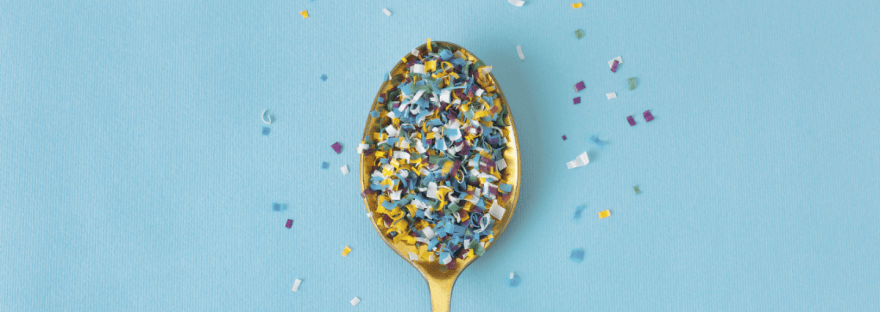
Ongoing research has revealed that microplastics are increasingly being found in the human body; a concerning trend that carries potential health risks.
Microplastics are defined as small plastic particles that have a diameter less than 5 millimetres (0.2 inches). They originate from the breakdown of larger plastic debris or are manufactured for use in products like cosmetics and industrial processes. Due to their small size, microplastics are pervasive in the environment, found in oceans, rivers, soil, and even the air. They pose a significant threat to wildlife, as animals can ingest them, leading to physical harm and exposure to toxic substances.
Additionally, microplastics have been found in many parts of the human body, including, but not limited to, the heart, brain, kidneys, lungs, bloodstream, placenta, and breast milk. Most recently, and for the first time, microplastics have been detected in human penile tissue.

This post is part of the Climate Change Collective, a dedicated group of bloggers that tackle environmental and climate-related issues. The lead post this month, ‘Small Steps, Big Difference: Plastic Free July 2024‘ was written by Caroline from Enviroline Blog.
Why Microplastic Pollution Is Now Found Everywhere
Ongoing and emerging research has found that mircoplastics are quite literally polluting every corner of the globe and creeping into the air we breathe, our food chain, drinking water, and bodies. Animals, oceans, and many other ecosystems are also impacted by these tiny plastic particles—some of which have even been detected in remote areas, such as the Arctic and deep ocean trenches.
Microplastics and their all-encompassing presence are due to their widespread use and durability. They can originate from various sources, including:
- Fragmentation of Larger Plastic Debris: Items such as bottles, bags, and packaging that are sent to landfills or left to pollute the oceans, waterways, or streets eventually break down into smaller pieces through weathering, UV radiation, or mechanical action.
- Synthetic Clothing Fibres: Washing synthetic textiles (e.g., polyester, nylon) releases microfibers into wastewater, which often pass through water treatment and filtration systems to enter the environment.
- Personal Care and Cosmetic Products: Microbeads are tiny plastic particles used in exfoliating scrubs, toothpaste, and other personal care products that are washed down the drain and can enter waterways. Other ingredients used in the products themselves or the packaging can also break down into microplastics.
- Paints and Coatings: The weathering of paints and coatings on buildings, ships, and road markings releases microplastics into the environment.
- Vehicle Tyre Wear: Abrasion of tyres on roads releases microplastic particles that are washed into drainage systems and water bodies.
- Agricultural Plastics: The use of plastic films and containers in agriculture can degrade into microplastics that remain in the soil.
- Industrial Processes: Plastic pellet spills, manufacturing waste, and the wear of machinery contribute to contaminating the air, water, and soil with microplastic pollution.
Once microplastics are released into surface water runoff (entering various waterways) or getting into agricultural soil, the air, and oceans, they can disperse across vast distances, travelling around the world and spreading contamination into diverse ecosystems. This truly is a global environmental issue.
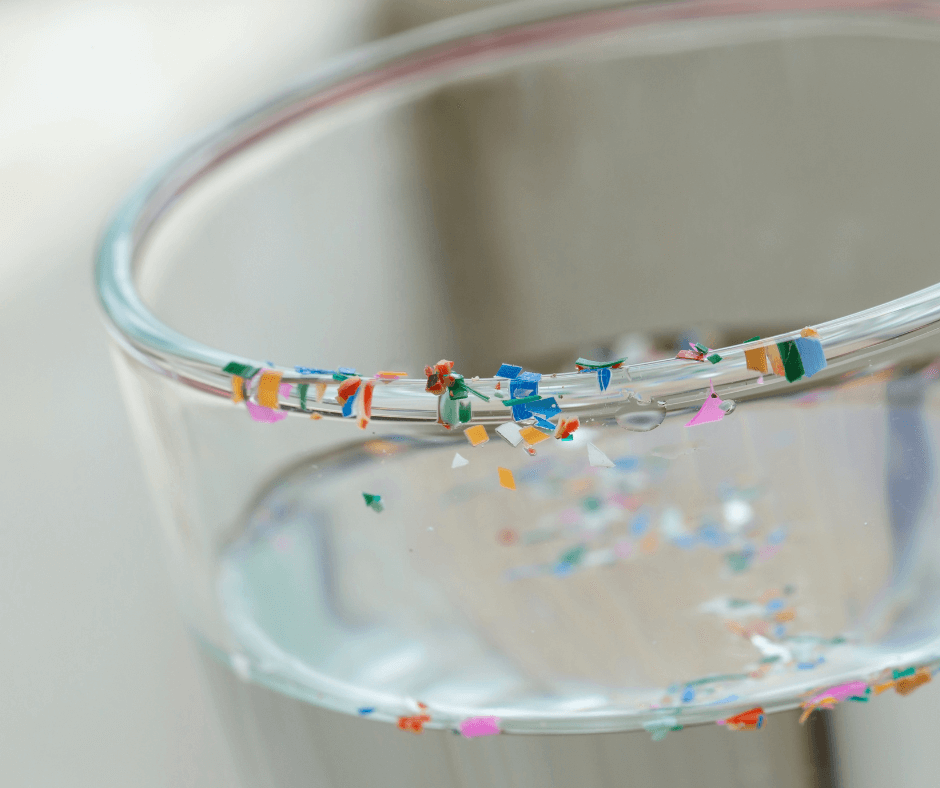
How Microplastics Are Finding Their Way Into Our Bodies
There are several ways that microplastics enter the human body, with the main ones being through ingestion, inhalation, and dermal contact. What we eat and drink, the air we breathe, and what comes into contact with our skin are all everyday examples of how these tiny plastic particles enter our bloodstream and organs. This includes:
- Crops: Microplastics get into agricultural soil through plastic waste, fertilisers, and irrigation. Throughout Europe and the United States, treated and cleaned sewage sludge, a byproduct of wastewater treatment, is often used as crop fertilizer. Sewage sludge itself contains microplastics from household and industrial waste and introduces this pollutant to fruit and vegetable crops. These tiny particles can then find their way into the plant through their root system, entering our food supply chain where they get consumed.
- Meat and Seafood: Plastic pollution has made its way into the protein we buy and eat. Marine organisms such as fish, shellfish, and crustaceans can ingest microplastics from the water, which then accumulate in their bodies. This is similar for animals like cows, chickens, and pigs that consume contaminated feed or water. A recent study by researchers at Ocean Conservancy and the University of Toronto found that 88% of the protein food samples they looked at contained microplastics.
- Processed Foods: Food packaging, especially plastic packaging, can be a source of microplastics. The particles can migrate from the packaging into the food, particularly when the food is stored for long periods or heated in plastic containers.
- Drinking Water: Studies have detected microplastics in bottled water and tap water. The particles can originate from the breakdown of larger plastic debris, the use of plastic containers, and the water treatment process.
- Airborne Microplastics: Present in the air everywhere, but particularly in urban environments, these particles can be inhaled directly into the respiratory system. They can come from sources like synthetic textiles (e.g., clothing fibres), vehicle tyres, and construction materials.
- Household Dust: Indoor dust can contain microplastics shed from everyday items like clothing, furniture, carpets, and personal care products. Inhaling this dust can contribute to the intake of microplastics.
- Skin Exposure: There may be a possibility that nanoplastics (the smallest type of microplastic) can enter our bodies through dermal contact. A recent study by Environmental International found that some flame-retardant chemicals added to plastic could get absorbed through the skin. While much more research is needed into this, it does highlight the possibility of this kind of exposure route.
We should be concerned about microplastics in our bodies because they can carry harmful chemicals and pathogens, leading to potential health issues. Long-term exposure may even contribute to chronic diseases, highlighting the need for research and mitigation efforts to protect human health.
A recent study suggests the presence of microplastics may increase the risk of heart attack and other cardiovascular problems among people with heart disease. The tiny plastics were found to double the risk of stroke or heart attack. | New Study Links Microplastics to Serious Health Harms in Humans – Environmental Working Group (EWG)
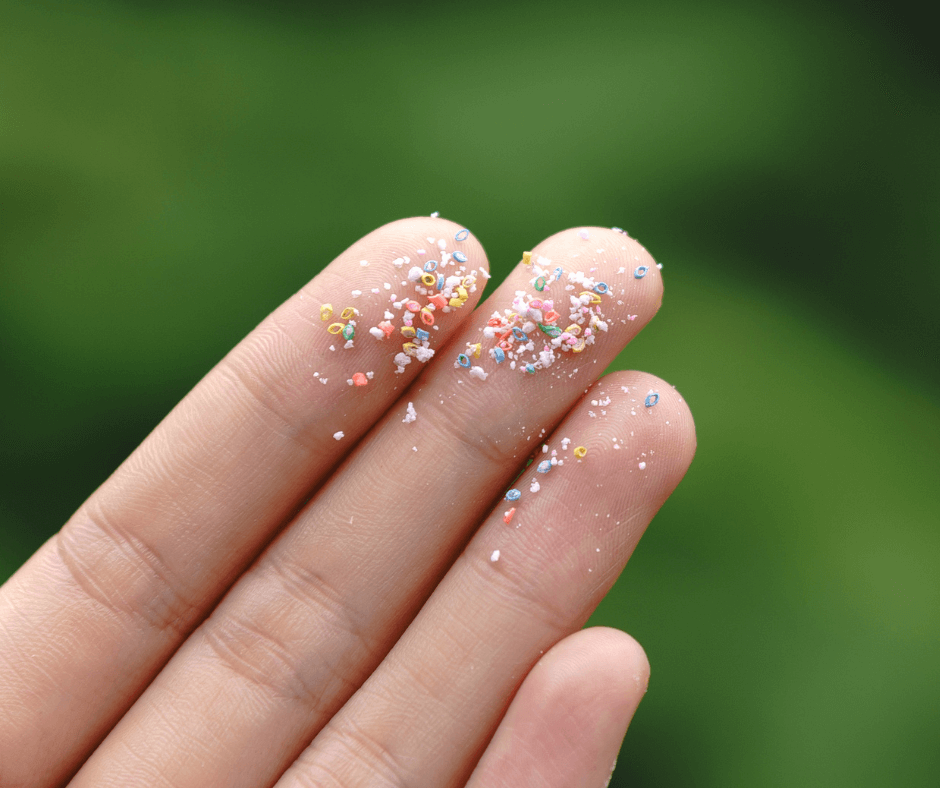
How To Reduce Microplastics in Our Bodies
Reducing the number of microplastics and nanoplastics that enter our bodies involves both personal action and broader systemic changes. Here are some strategies:
Important Note: The climate action we take is dependent on what is accessible, appropriate, and manageable for us to achieve. While the following suggestions may not be suitable for everyone, some of the ideas mentioned here should provide some useful information to look into.
- Minimise Plastic Use in Food Storage and Preparation: Avoid storing or heating food in plastic containers (even if they are considered microwave safe), as this can release harmful chemicals like BPA and microplastics into the food. Opt for glass containers instead, whenever possible.
- Swap Out Plastic Cutting Boards: A recent study published in Environmental Science and Technology found that using these types of cutting boards to slice, dice, and chop food can be a significant source of microplastic ingestion. Particles are able to get transferred onto and even into what is being prepared. When it’s time to replace plastic cutting boards, choose wood or bamboo alternatives.
- Cut Back on Bottled Water: A staggering number of nanoplastics and microplastics have been found in bottled water. Research published in the Proceedings of the National Academy of Sciences detected approximately 240,000 particles in one-litre bottles typically found in U.S. grocery stores—a number considerably higher than previously thought.
- Filter Drinking Water: If possible, use an NSF/ANSI 401-certified water filter, which is known to decrease plastic particles (sadly, standard filters do not). It may seem odd since most filters are made of plastic, but NSF/ANSI 401-certified brands typically remove far more microplastics than they add to the water. These specialised products are available to buy in grocery stores, an example being the Brita Elite Filter.
- Scale Down on Plastic Use in General: Find ways to reduce reliance on single-use plastics like bottles, bags, straws, and cutlery. Opt for products with less plastic packaging and choose reusable items made from materials like glass, stainless steel, or bamboo.
- Introduce More Fresh, Whole Foods: Highly processed foods can contain higher levels of microplastics (and other harmful chemicals) because of contamination from manufacturing, packaging, and cooking. Try swapping out some of these items for minimally processed or unprocessed alternatives, which typically contain fewer plastic particles.
- Reduce Airborne Dust in the Home: This can be done by regularly using a HEPA filter vacuum, dusting surfaces with a damp cloth, ventilating rooms to minimise indoor plastic particle accumulation, and cleaning AC filters, fans, and air purifiers. It’s important to do this as household dust contains microplastics from synthetic fabrics, furnishings, and other plastic items. These particles can be inhaled or settle on food and surfaces, leading to unintentional ingestion.
- Limit Synthetic Clothing: Choose natural fibres like cotton, wool, or linen over synthetic ones like polyester, acrylic, or nylon, which release microfibres (a type of microplastic) when washed. These particles end up in wastewater, which in turn ends up in sewage treatment facilities. The treated sewage is then used as agricultural fertiliser, adding plastics to crop soil.
- Avoid Personal Care Products with Microbeads: Exposure to microplastics and nanoplastics can occur when using makeup, shower gels, body scrubs, etc., that contain polyethylene (PE) or polypropylene (PP) microbeads. Check labels for these ingredients and choose alternatives whenever available.
- Help Create Systemic Change: There are many ways to do this, but some effective actions include raising awareness about the impact of microplastics and the importance of reducing them, buying from companies that prioritise sustainable and environmentally friendly practices, and participating in local, national, or even global initiatives that aim to reduce plastic pollution. However, the most significant steps need to come from robust political and industry-wide reform. To make sure this happens, we should continue to advocate for more research into microplastics and nanoplastics, support the scientific development of innovative biodegradable alternatives to plastic, and vote for and champion policies (and government officials) that reduce plastic production and waste by improving recycling systems and infrastructure.
Individual actions to reduce plastic pollution do not have to be perfect. It’s more effective to focus on consistent efforts within our capabilities and make changes that are sustainable and manageable over time. Every small action contributes to a healthier environment, which gets magnified if we can find ways to combine it with endorsing and donating to key environmental groups that help to create radical change.
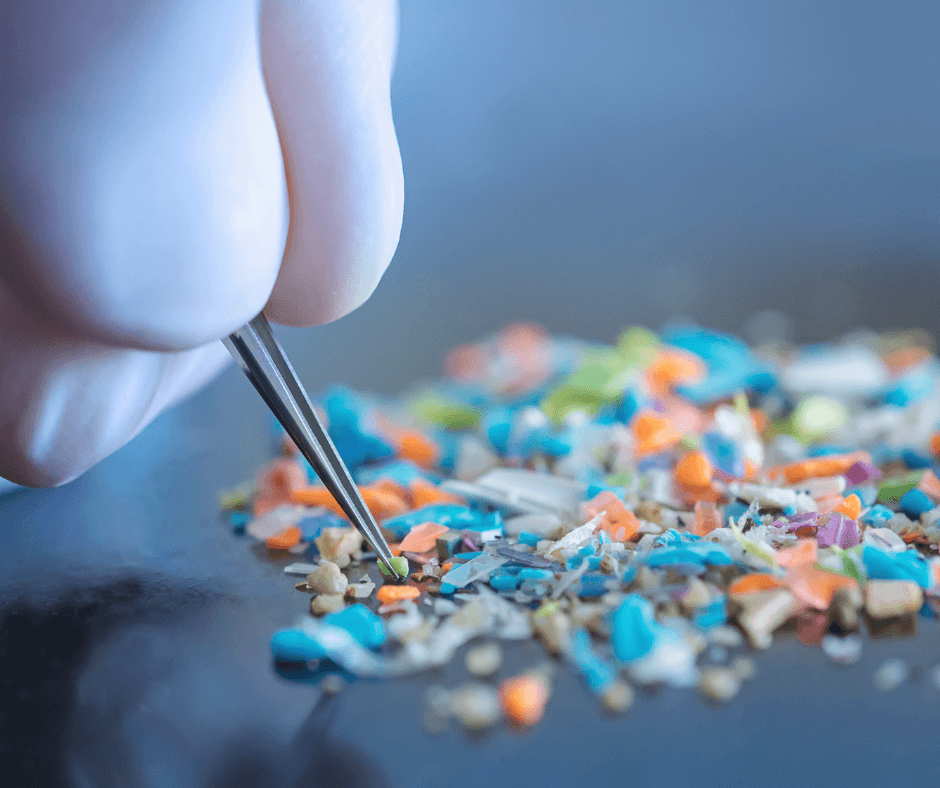
Useful Organizations To Support That Work To Reduce Plastic Pollution
These organisations vary in their approaches, from advocacy and policy work to scientific research and practical cleanup programs, contributing to global efforts to tackle plastic pollution. The work they do and the education they provide about this issue is invaluable:
- Plastic Pollution Coalition: A global alliance working to reduce plastic pollution and its toxic impacts on humans, animals, and the environment.
- Alliance to End Plastic Waste: A non-profit organization that works globally to eliminate plastic waste and promote a circular economy for plastics, especially in underserved regions.
- Break Free from Plastic: A global movement demanding reductions in single-use plastics that also aims to tackle plastic pollution at every stage (extraction, production, and disposal).
- Parley: A global collaborative network that focuses on sustainable ways to reuse plastics and creating strategies with brands and companies to convert their plastic waste into material that can be made into new items.
- World Wide Fund for Nature (WWF): One of the world’s largest and most influential environmental organisations that works on various environmental issues, including plastic pollution, through initiatives like No Plastic in Nature.
To find nearby environmental groups focused on reducing plastic pollution, searching online directories, social media platforms, or community bulletin boards should produce useful results. It’s also worthwhile checking local government websites for events to attend or connecting with larger organisations to see if they have any local chapters to join.
In Summary
It may seem like the ubiquitous nature of microplastics in our lives is impossible to fight against, but awareness of their existence leads to understanding how we can potentially limit their presence. No action will be perfect, but making conscious decisions about how much plastic we use allows us to do something positive for the planet (and our health).
As Caroline outlines in her brilliant post for the Climate Change Collective, small steps that begin with swapping out one or two things are how we can all build a more sustainable, everyday approach to changing up our reliance on plastic.
What plastic-free swaps have you made? How are you reducing microplastic pollution in your life?
Further Info:
‘We Are Just Getting Started’: The Plastic-Eating Bacteria That Could Change the World – The Guardian
Meet the Mushroom That Could One Day Replace Plastic – The Verge
 transatlantic | notes
This post is such an eye opener and I did not realise how microplastics can get into your body and the health risks it poses! x
Lucy
It was quite alarming doing the research for this and finding out just how pervasive microplastics are in the human body!
Thanks for this thorough post on the microplastics problem, Molly. I was shocked when I first heard of microplastics a few years ago. It really is frightening! I have made so many plastic-free swaps but I think my favourites are completely eliminating plastic from my laundry routine. I use a stain remover bar and refill my laundry detergent at a local refillery. I’ve ditched fabric softener many years ago—mostly hanging laundry to dry and using wool dryer balls when I do use my dryer.
Learning about this throughout the years has definitely been a shock for me too. As more and more studies come out revealing that plastics are being found in new parts of the human body is a huge wake up call!
An eye-opening read, thanks for sharing!
Thank you; I’m glad this was informative.
It is alarming that microplastics have been found in the body. The ways to reduce microplastics is handy! I already do most of these, but I definitely need to swap out my cutting boards now and maybe consider getting a Brita filter!
The recent report about the plastic cutting boards was shocking as it contributes to a lot of the plastic we consume. A simple swap for bamboo ones is a great way to cut back on this.
Thank you for this, brilliantly written. It’s a very scary fact that plastic is absolutely everywhere, microplastics are so small and often unnoticed but they are incredibly dangerous. I try my best to buy clothes that don’t contain plastic, generally from charity shops, I don’t use single use plastics – refillable water bottles and reusable cups for hot drinks are the way to go, and just reduce and re-use wherever possible. Raising awareness is incredibly important, as many people just don’t realise the scale of the problem.
I agree; the scale of the problem is enormous, yet somehow it is not being talked about nearly as much as it should be. I hope this post helps raise some awareness and keeps people informed, and taking action to reduce plastic use.
Wow! I never thought about this. This is scary – awareness is key. I will be more mindful now, Thanks for this enlightening post
It’s far more prevalent than a lot of people may realize (myself included when I was researching this)!
Thanks for sharing this informative read! I heard about this issue a few years ago, and it’s certainly very alarming to know how many ways microplastics can get into your body. I’ve been trying to reduce the usage of plastics in the kitchen and rely more on glass and steel ever since.
I have been trying to do that too as the kitchen is a great way to make changes that can help. The fact microplastics have found their way into everything (including our bodies) is a wake up call!
I honestly didn’t realise the prevalence of micro-plastics in everything, even the air we breathe, that’s really scary. We do have a water filter at home because I don’t like the taste of tap water, but still, that’s one tick in the box. And we also have an air filter in our bedroom to help my husband’s asthma, so that’s another. Will have a look at what else we can do, thank you, Molly.
It’s quite jarring when you find out that microplastics are everywhere, and we are inhaling and ingesting them all the time. It sounds like you are doing some good things already, hopefully that will help and reduce the amount you and your family are exposed to.
Wow, this article really opened my eyes to the pervasive issue of microplastics! It’s alarming to think about how these tiny particles are everywhere, even in our bodies. I appreciate the practical tips on reducing our exposure, like switching to glass containers and opting for natural fibers in clothing. It’s clear that every small change we make can have a big impact on reducing plastic pollution. Thanks for shedding light on this important topic and providing actionable steps we can take!
It was incredible doing the research for this post and learning about microplastics in the body. They are literally everywhere, and the health implications are very concerning. I am glad this raised some awareness as I think many of us may not realize what is going on.
I am happy you touched on this important topic. Microplastics and their impacts in the human body is becoming increasing popular on social media. Micro + nano plastics are in many of the popular food and products sold on the market. Very informative post, Molly. Thanks for sharing.
It’s incredible how they have got into everything, and made their way into our bodies. It’s good to stay informed, especially about the health implications. Thanks for reading!
Wonderful post, Molly! It’s so alarming that micro plastics are making their way into our bodies and that they can even be found in our clothing. These are great tips to follow to make healthier choices for ourselves and for our planet. Thank you for sharing!
Microplastics in our bodies is such a concern, I hope more and more people become aware of it and make some positive changes.
It is scary when you think about how much we rely on plastic and how it has invaded our bodies. I learned of microplastics a few years ago, and went back to many “old” ways of doing things. I wish they would bring back glass bottles and glass recycling, I know in my area it created many jobs. We keep losing jobs, harming our environment, animals, and our bodies, at what expense?
It would be so great if certain things did not rely so heavily on using plastics. I hope that more and more people find ways of reducing its use in their everyday lives, and that we all champion those who can make industry changes towards greener practices. We have such an impact on the world around us, we have to act.
Thank you for this post it is very disturbing that we all depend so much on plastic products and now that it is in our air and food 😦 The tips on reducing microplastic are great some I didn’t know about and will put into practice.
We definitely depend on plastic so much these days, it’s everywhere and in everything. I hope this post raises some awareness about it.