
Discover practical tips for implementing and/or maintaining the best sustainable practices and strategies for a greener season during the winter.
For those of us in parts of the world where the winter months usher in celebrations, festive occasions, and cultural or religious gatherings—not to mention the arrival of colder weather—focusing on sustainable winter habits can become an essential part of our climate advocacy. Small actions, like choosing eco-friendly products and minimising energy consumption, collectively contribute to a healthier planet. Embracing sustainability during winter helps protect natural resources, reduce pollution, and support efforts to combat climate change for future generations.
Season-specific climate-conscious measures, particularly in winter, are vital because they target the unique environmental pressures of colder months as well as the increased waste generated by holiday celebrations and the production and disposal of seasonal products. Winter often means increased heating needs, more electricity for lighting due to shorter days, and heightened fuel use as people travel for holidays or during adverse weather. Taking steps to help mitigate these seasonal impacts by tailoring our eco-friendly practices to each season makes them more functional and effective.

Avoiding climate breakdown will require cathedral thinking. We must lay the foundation while we may not know exactly how to build the ceiling. | Greta Thunberg
This is part of the Climate Change Collective, a dedicated group of bloggers that tackle environmental and climate-related issues. This month it was my turn to provide the lead topic. Enjoy!
How To Be More Sustainable During Winter
Making a point of contributing to positive climate action over the winter season can truly have a meaningful impact. Finding what works for our household and individual needs depends on what is appropriate, accessible, and achievable. Still, we can all do or change something that contributes to addressing global warming.
Here are some ideas to help you get started:
Eat Seasonal Foods
Seasonal eating is the practice of consuming foods that are naturally harvested at specific times of the year in our region. A little research about what is grown locally (and where to buy them) can help reduce reliance on imported foods that require long-distance transportation, which in turn lowers carbon emissions.
Seasonal foods are also less likely to be grown in energy-intensive greenhouses. By focusing on local, winter produce, seasonal eaters can support nearby farms, enjoy fresher foods, and help promote a sustainable, eco-friendly food system.
Manage Food Waste
Although disposing of uneaten food in an environmentally responsible way should be undertaken all year round, it’s especially important during the winter season when waste can increase due to larger holiday meals or family gatherings. Planning meals carefully to either cut down on what might get discarded or proactively factor in making full use of leftovers is a great way to lessen what we throw out.
Additionally, composting is a popular method of turning food scraps into nutrient-rich soil rather than letting them end up in landfills. If we don’t have a garden or outdoor space to utilise in this way, there are kitchen or countertop compost bins we can make use of—the soil from which can go on our houseplants, be gifted to friends and family, or be donated to community gardens.
If it’s food that can’t be composted, like unopened store-bought packaged or tinned items, taking them to local food banks or shelters is another way to make a positive difference.

Mindful Gifting Practices
Winter is filled with holidays, cultural events, and religious observances for many different communities around the world. Some of these traditions may involve the practice of giving and receiving presents and cards, which can often result in excess packaging, single-use materials, and items with short lifespans.
Choosing sustainable, eco-friendly versions of these gifts can help minimise waste, promote thoughtful consumption, and support environmental well-being. This might include items made from recycled or biodegradable materials, homemade or upcycled presents, experience-based gifts like cooking classes or museum memberships, and gifts from local artisans or secondhand/vintage stores, which also reduce transportation emissions.
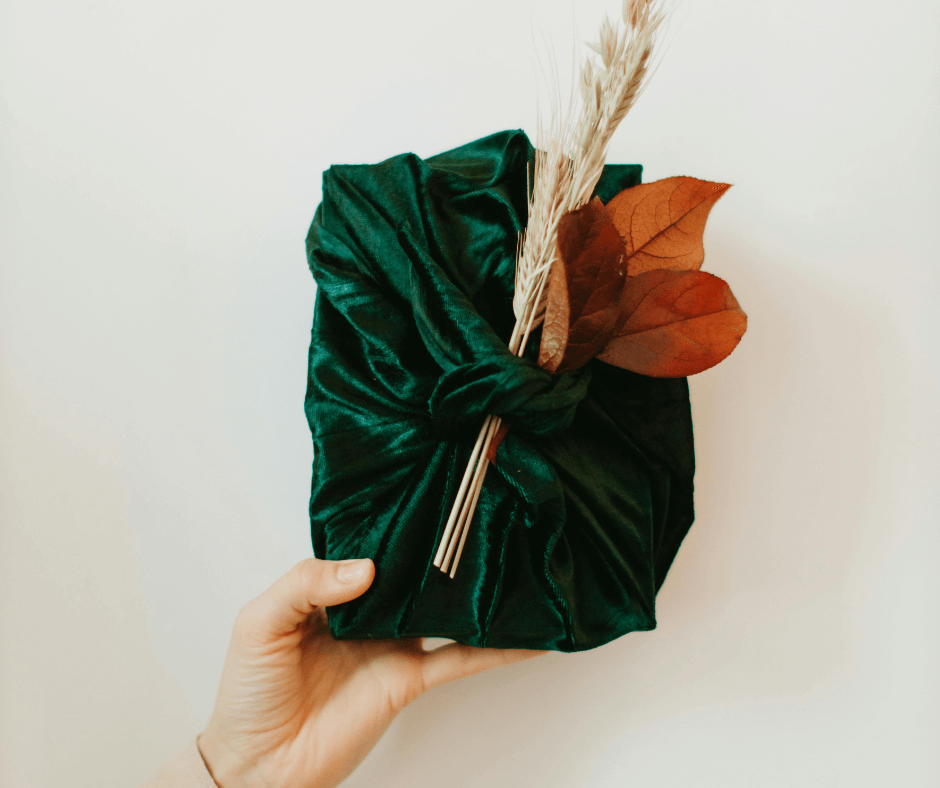
Sustainable gifting also involves wrapping creatively with reusable materials, such as cloth, scarves, or recycled paper, to help minimise plastic and cardboard or paper waste. By choosing sustainable options, we reduce our carbon footprint, support trustworthy businesses, and show thoughtfulness toward the planet.
Responsible Recycling of Seasonal Items
Many types and styles of winter holiday gift wrap, cards, and decorations have metallic or glittered elements, which sadly cannot be recycled. Whenever possible, repurpose or reuse these items and/or swap them out for those made from plain paper, plain cardboard, or other recyclable materials. Holiday cards, for example, can be cut up to create gift tags or used as elements for new, homemade cards.
If electronics are being bought or gifted at this time of year and old ones need to be disposed of, we should take them to secondhand stores (if they are still in good working order for resale) or to e-waste recycling centres.
Environmentally Conscious Decorating
If this time of year involves putting up some kind of decoration around the home, we could opt for eco-friendly, reusable, and low-impact materials. This might include responsibly sourced natural elements like foliage, flowers, dried fruits, and evergreen clippings, all of which are biodegradable.
It’s also a great idea to repurpose materials from past seasons, like fabric ribbons or ornaments, and only replace them with sustainable alternatives once they are no longer usable.
Sustainable decor encourages mindfulness, lowers reliance on plastics and single-use items, and fosters creativity with upcycled or nature-inspired pieces.

Become More Energy Efficient
If we need to keep ourselves warm because we live in a place where the winter season brings cold weather conditions, we can adopt some practices that will help decrease our energy consumption and lower utility bills.
Things to try include reducing heat loss by sealing windows and doors with weather stripping, caulking, or draft excluders, as well as using heavy curtains or thermal blinds. We can also set the heating to a lower temperature when we’re out, away, or sleeping at night (adding an extra blanket for warmth).
Furthermore, we can replace household and decorative holiday lighting with energy-efficient LED light bulbs, unplug devices and chargers when not in use, and use slow cookers, pressure cookers, or microwaves, which consume less energy than conventional ovens. Preparing larger batches of meals can also reduce cooking frequency.
Limit Heating Use
Instead of turning the heating on at the first hint of frost, we can layer up with cosy socks, sweaters, and blankets. When it’s officially time to turn on the heating, set the temperature a few degrees lower and continue to wear clothing that adds warmth. Both of these options minimise the demand for heating, which conserves energy resources and lowers household bills.
Sustainability Is Not About Perfection, It’s About Progress
Not every action to incorporate sustainable living will be appropriate or accessible to us, but we don’t have to do everything all at once. If we genuinely want to introduce and consistently carry out changes that focus on environmental protections, we should aim to find what we can easily make part of our everyday lives. Rather than feeling overwhelmed by the complexities of sustainability, it’s crucial to evaluate our individual circumstances and lifestyles to make informed choices. Assessing factors such as location, income, and resources can help us identify the most effective actions for our unique situations.
We should also be realistic and acknowledge that even sustainable products and practices can have some environmental consequences—nothing is perfect. While these products are generally better for the environment, they can still cause detrimental impacts. Sustainable items require resources for production, including raw materials, energy, and often long-distance transportation, each contributing to carbon emissions. For instance, while reusable items reduce waste, their manufacturing may consume significant water and energy, especially if they’re made of materials like metal or glass. Additionally, some sustainable practices, like composting or recycling, require energy and infrastructure to process waste effectively. Recognising these impacts helps us stay mindful of the fact that even sustainable actions have a footprint and encourages us to make conscious choices wherever possible.
Every small step counts and can collectively lead to meaningful change—we mustn’t be discouraged from trying. Our eco-friendly choices can create a ripple effect, inspiring others to do the same and encouraging brands, manufacturers, and government officials to take climate action seriously. It’s worth doing in whatever way we can.
In Summary
Finding practical and accessible strategies for adopting sustainable habits specifically suited to the winter season involves exploring a range of ideas. It’s important to research what is feasible for us and then commit to making these habits part of our daily choices. Sustainability extends far beyond what’s covered in this article, but each suggestion included here emphasises how to be more mindful in our actions.
All of us can embrace environmentalism throughout the year, weaving it seamlessly into our routines as well as our holiday celebrations, traditions, and gatherings.
Winter offers a unique opportunity to adopt sustainable habits that make a big difference. By layering up instead of constantly turning up the heat, choosing energy-efficient lighting, and decorating with natural or reusable materials, we can reduce both energy consumption and waste. Small steps like planning meals to avoid food waste, composting, or gifting eco-friendly items support a healthier planet.
Sustainability in winter doesn’t require perfection—it’s about making thoughtful choices that fit our lives and contribute to lasting change.
How do you practice sustainability at home? What climate actions do you focus on during the winter?
Further Info:
14 Winter Holiday Celebrations from Around the World – Better Homes & Gardens
Ideas for Living a More Sustainable Lifestyle at Home – EarthKind
 transatlantic | notes
Some perfect suggestion. Wrapping paper is the most wasteful thing as are single use gift bags.
It can be so wasteful, so I hope people find alternatives whenever possible!
Some great suggestions here, wrapping paper is the hugest waste at Christmas and I try and use recycled, sustainable paper when wrapping presents x
Lucy |
It is such a waste as you buy it to almost immediately throw it away. Finding recyclable alternatives (and other ways of wrapping gifts) is a small step with a huge, positive impact.
Eating foods in season is one of my favorite ways to be more sustainable in winter.
It’s a great way to be environmentally conscious, and to have something different to eat and enjoy!
A great reminder on how to be more eco-friendly this season. Thanks for sharing Molly!
I hope it gave some people a few ideas about the things that can be done to help during the winter months.
I am trying to use recyclable materials and organic seasonal food. In addition, minimizing waste is important. I will follow your great idea of Environmentally Conscious Decorating. Thanks for sharing it!
I hope you have fun finding some ways to introduce sustainable decorating. You have already taken some great climate actions by the sounds of it too!
I love your encouragement for progress not perfection. It can be so easy to get overwhelmed with the amount of things needed to be done to help our planet, but looking practically at what we can do in our lives is a great way to start.
I think that climate action can sometimes be stifled by the sheer enormity of the issue and can lead to people feeling very anxious/overwhelmed (and then shying away from it). I think if we all took a look at what we can do, and choose a few things at a time, we can really find a way forward.
Great reminder to save the planet!
Reducing food waste especially in winter is crucial as gatherings and celebrations are more during this season. Planning meals carefully as you’ve said, can help cut down food waste.
Thank you for the informative post on sustainable living.
I think food waste was where my husband and I have really made a big change. It’s incredible how much we threw away before, and when we looked at it, and then planned carefully, it really reduced. I hope lots more people find ways to do this too!
love love love these tips on how to be more sustainable this winter! I like to compost as much as possible so we don’t have a lot of waste, definitely helps cut down on any food going to landfill. When it comes to gifting now, I like to get baskets that double as a way to store things and present the gift in a pretty way, now the only wrapping paper used is for the kids, but even then we like to build up as much as possible before hand so there’s not lots to build on Christmas day & they don’t need wrapped, just stick a bow on them (which we use each year)
These are fantastic ways to be more sustainable!
I love how you approach gift wrapping for your children, I think that is a great way to find a balance. I try to be as sustainable as possible at this time of year and it’s great to think of new ways to do this, or find some simple change to implement. It’s amazing what we can do when we take a look at what we do/use!
Those are some great tips! Even just doing one of those things can significantly help!
Antonia | Sweet Passions
Exactly right! We don’t have to do everything all at once (or perfectly), but a few changes we commit to can really make a huge positive impact.
Managing food waste is a good way to be sustainable. Plus, it’s important.
Agreed, it’s a great way to make a big difference for the planet.
Sustainable eating, gifting, and clothes wearing should be high on everyone’s agenda this Winter, especially with prices going ever upwards. Of course, I realise it’s not a one size fits all, but baby steps do help.
It would be a great way to save some money, and the planet. I hope sustainability actions become more and more accessible for everyone—baby steps are definitely good to take when we can.
These are great suggestions, not just for winter but all year round!
ereen
Yes, these tips can definitely be something to use/implement all year round!
These are such great reminders that I wish everyone would read, especially as we head into the holiday season! I’m a carpet cleaner and something I take pride in is the natural, non-toxic cleaning solutions we use in our method. Being environmentally conscious always counts, especially when it comes to the healthiness of our homes!
It’s great that more businesses are doing what they can with sustainability and taking care of the environment. More needs to be done, but it’s a useful start.
These are great suggestions on how to be more sustainable this winter, and I completely agree it’s not about being perfect, but taking the steps we can to be more environmentally friendly.
We can only do something well and consistently if it’s something accessible and easy to maintain. I think doing what we can, when we can is a great step to take!
A few years I started practicing on gifting “less” and opting more for local handmade gift (or just DIY) same goes for wrapping gift and avoid buying rubbish gift that someone might won’t be using it.
I feel like a lot of gifts just end up being thrown away or not used too, it’s definitely a waste we can cut out!