
Discover how to engage younger generations in climate conversations with age-appropriate books, activities, and ways to inspire action for a greener future.
The fight to slow and mitigate the impacts of climate change isn’t just about today—it’s about the long-term survival of our planet. That’s why involving younger generations in climate actions focused on sustainability and discussions about global warming is so important. They will be the ones facing the consequences of the choices made right now, and their voices need to be heard when shaping solutions.
When young people engage with climate issues early on, they develop a sense of responsibility, creativity, and urgency. They bring fresh ideas, push for stronger policies, and inspire action in their communities. By supporting youth-led initiatives, facilitating environmental science education, and creating spaces for young people to learn about climate change, we can empower the next generation to lead the way towards a more sustainable future.
I think people of my age are coming up to protest because they know they have the biggest stake in our future and they are trying to fight for it. | Leah Namugerwa, Climate Change Activist

Recent studies indicate that children and young people are increasingly concerned about global warming and its effect on our planet. A survey published in The Lancet Planetary Health in November 2024, for example, found that about 58% of young Americans aged 16 to 25 are “very or extremely worried” about climate change’s impact, with around 38% stating that their anxiety about it negatively affected their daily lives.
Similar results were found in a global study, also carried out by The Lancet—this one from 2021—which covered 10 countries and revealed that 59% of young people were “very or extremely worried,” with more than 45% saying it negatively interfered with their daily lives. Both studies also showed that many doubted the adequacy of government actions to address the issues they were concerned about.
These fears are well-founded, given the increasing frequency of extreme weather events and scientific projections about future environmental challenges. However, it’s crucial to address these worries with children and young people by constructively engaging in open, age-appropriate conversations and providing teachable moments that help them process their feelings and empower them to take action.
This post is part of the Climate Change Collective, a dedicated group of bloggers that tackle environmental and climate-related issues. The lead topic this month, ’Tips for Productive Climate Conversations’ was written by Michelle from Boomer Eco Crusader.
How To Make Climate Change Discussions Age-Appropriate
Introducing climate change topics to children and young people should be age- or stage-appropriate to ensure they understand the issues without feeling overwhelmed. Younger children benefit from simple, solution-focused discussions that emphasise caring for nature, while older children and teenagers can engage more deeply with the science and societal impacts.
Providing information in a way that matches their developmental level helps them process concerns constructively, stay hopeful, and feel empowered to take positive action rather than becoming anxious or disengaged.
Young Children (Ages 1-5)
This is the time to foster a love for nature and a sense of responsibility for caring for it. Hands-on, real-life experiences work best, such as exploring the outdoors, going on nature walks, and observing the changing seasons—noticing what happens to leaves, animals, and birds, as well as which plants begin, continue, or stop growing.
If possible, plant seeds together in a garden or indoor pots, and pick fruits and vegetables at a farm that offers this service. This provides an opportunity to discuss simple plant life cycles and where food comes from. It’s also beneficial to teach simple, helpful habits, such as not dropping litter and explaining why keeping nature clean helps animals and plants thrive.
Book Recommendations:
- Busy Grow (Busy Books) by Campbell Books (ages 0-3)
- Hello, World! Planet Earth by Jill McDonald (ages 0-3)
- We Are Water Protectors by Carole Lindstrom (ages 3-6)
- I Can Save the Earth!: One Little Monster Learns to Reduce, Reuse, and Recycle by Alison Inches (ages 4-6)
- Pedro Loves Saving the Planet: A Fact-filled Adventure Bursting with Ideas! by Jess French (ages 4-7)

School-Age Children (Ages 6-12)
As children begin to understand the world around them, it’s an ideal opportunity to introduce key concepts like the Earth’s climate, global warming, pollution, renewable energy, and the importance of protecting wildlife. At this stage, they can grasp cause and effect, so exploring in simple terms how human actions impact the environment—such as the industrial use of fossil fuels, car and truck pollution, deforestation, overconsumption (with waste ending up in landfills), and plastic production and pollution—will be very helpful.
Encouraging them to think about small changes they can make in their daily lives, such as reducing waste or conserving energy, enables them to feel empowered to take action. By understanding the connections between their choices and the environment, they can become more mindful of the planet’s needs and develop lifelong habits that support sustainability.
Book Recommendations:
- The Story of Climate Change: A First Book About How We Can Help Save Our Planet by Catherine Barr and Steve Williams (ages 5-8)
- Rewild the World at Bedtime: Hopeful Stories from Mother Nature by Emily Hawkins (ages 5-8)
- Our Planet: The One Place We All Call Home by Matt Whyman (ages 6-12)
- Old Enough to Save the Planet by Loll Kirby (ages 8-12)
- The Brainiac’s Book of the Climate and Weather by Rosie Cooper (ages 8-12)
Teenagers (Ages 13-18)
Talking to children and young people in this age group about climate change requires a balance of honesty, clarity, and hope. They’re often very tuned in to news and information via social media, so discussing recent scientific findings, news articles, and stories about climate events—such as wildfires and extreme weather—will help them make sense of what they’re hearing.
Critical thinking should always be encouraged, including how to identify mis- and disinformation, and explaining that these are often spread by groups with vested interests in downplaying the issue. This can also be an ideal time to introduce how climate change disproportionately affects vulnerable communities, deepening economic inequalities and social divides.
To ensure they are not overwhelmed with all this information, helping them practise civic responsibility and emphasising the power of individual and collective action will support them as they address how the world around them is changing.
Book Recommendations:
- Heroes of the Environment: True Stories of People Who Are Helping to Protect Our Planet by Harriet Rohmer (ages 9-14)
- All the Feelings under the Sun: How to Deal with Climate Change by Leslie Davenport (ages 10-11)
- How to Change Everything: The Young Human’s Guide to Protecting the Planet and Each Other by Naomi Klein and Rebecca Stefoff (ages 10-18)
- The Story of More (Adapted for Young Adults): How We Got to Climate Change and Where to Go from Here by Hope Jahren (ages 12-16)
- One Earth: People of Color Protecting Our Planet by Anuradha Rao (ages 12-17)
How To Empower Children and Young People To Take Action
Some of the most important ways to help children and young people care about the environment include ensuring they feel connected to nature in some way and making them aware of the steps they can take to protect their future and that of the planet. It’s also vital that they have an outlet to express, explore, and ease any fears they may have, as the news about climate change can be overwhelming and frightening at times, even for adults.
In this modern age of instant access to information about climate events from around the world, we cannot completely shield younger generations—nor should we—from the urgent crisis that global warming presents. However, we do need to find a middle ground that presents the facts honestly in a less daunting way and helps them find solutions or different approaches to take positive action, so they feel more self-assured.
Here are some suggestions to help with this:
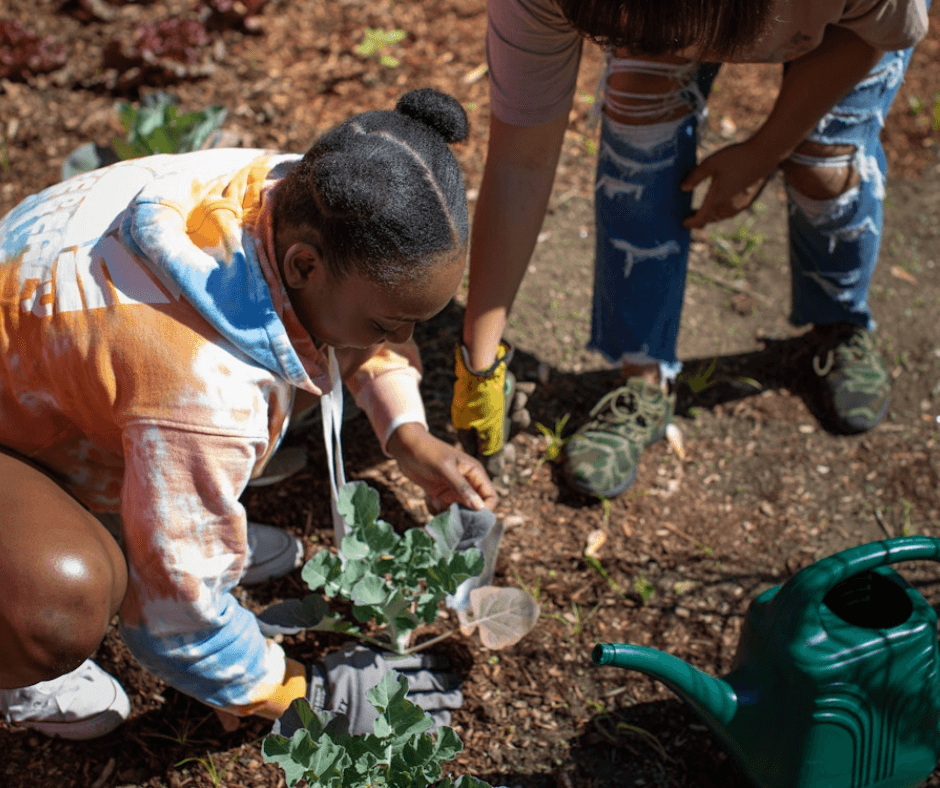
- Get Outside and Explore Nature – Regularly take them on nature walks, bike rides, or visits to nature parks and reserves. Allow them to experience the beauty of plants, trees, and animals. This helps build a deep connection with the natural world and fosters a sense of responsibility to protect it.
- Engage in Hands-On Activities – Depending on what is accessible, encourage them to grow flowers, fruits, or vegetables in a garden, balcony boxes, or indoor pots. You could also make compost from household food waste, encourage recycling or repurposing items, or participate in local activities like tree planting, clean-up events at parks, beaches, or in nearby neighbourhoods—essentially anything that helps them practise caring for nature and the environment.
- Watch Nature Documentaries – Find age-appropriate nature documentaries and films to watch together and answer any questions that arise from what they learn.
- Read Eco-Themed Information – Support children and young people’s curiosity through picture books, storybooks, comics, magazines, non-fiction titles, or online and print news media that introduces key environmental concepts in an engaging, age-appropriate way. You can use libraries, subscription services, or bookshops to find these resources.
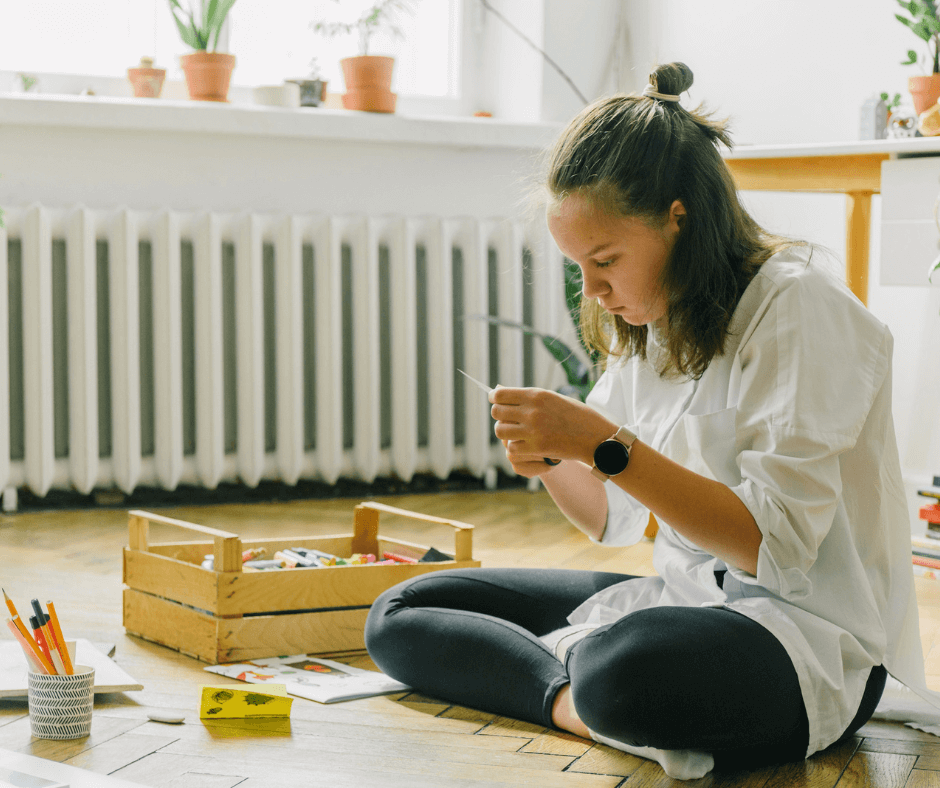
- Create Environmental Art – From finger painting, colouring, and drawing to creating posters, collages, digital designs, animations, sculptures, or even writing poetry and songs, encourage them to make something with an environmental message that they can share at home, with friends and family, or at school.
- Join Groups – Encourage them to join youth climate groups at school, national science museums, or through well-known environmental organisations like WWF Kids’ Planet, Nature Lab, and Greenpeace.
- Create a Climate Journal – Have them write or draw about what they learn about nature, the weather, and the actions they take to help the environment.
- Support Eco-Friendly Lifestyle Choices – Discuss and involve them in buying eco-friendly products and finding brands that focus on sustainability. Let them choose what environmental swaps they can make, such as introducing vegetarian meals, shopping secondhand, buying fewer clothes from fast fashion companies, or reducing plastic usage at home.
- Encourage Independent Research – Help them find reliable sources to learn about climate change, its causes, and solutions, so they can form their own opinions. Offer guidance on managing their time, especially when accessing social media or other online platforms, to prevent being overwhelmed by information that may cause anxiety.
- Promote Activism and Advocacy – Discuss ways they can use their voice and actions to make a difference (safely and appropriately for their age). This could range from signing petitions and speaking up about environmental issues at school or online to sharing climate awareness posts on social media, supporting environmental campaigns, or even starting their own eco-club at school or with friends.
- Prioritise Self-Care – Teach them the value of taking breaks from environmental news when it feels overwhelming and finding activities that help them relax and recharge. Regularly discuss mental health and how looking after themselves enables them to continue their advocacy for the environment. Help them establish healthy boundaries around their exposure to difficult information, and reassure them that their well-being matters just as much as their efforts to protect the planet.
In Summary
Children and young people have a vital role to play in shaping a sustainable future. As they learn about climate science and becoming eco-friendly, their growing awareness and passion can drive real change. By supporting them in understanding key environmental issues, we empower the next generation to take action, from reducing waste to advocating for climate justice.
Encouraging curiosity, creativity, and a sense of responsibility is essential to helping young people feel connected to the planet and inspired to protect it. Let’s keep the conversations going—whether with the young people in our lives or amongst ourselves and our communities. We can all become informed, passionate voices and activists in the fight to save the planet.
What climate actions are you taking that could involve children and young people? What sustainable conversations are you having?
Further Info:
A Kid’s Guide to Climate Change (Plus a Printable Comic) – NPR
Climate Change Archives (Educational Articles) – Science Journal for Kids and Teens
 transatlantic | notes
Brilliant suggestions for communicating climate change problems with kids. I watch ‘Newsround’ with my class (from the BBC website) because they regularly share stories relating to climate change in a friendly and informative way.
Newsround is a fantastic programme for children and young people to watch, always very informative. It’s great they cover environmental issues in an accessible way too.
Using books to get youth to participate in the climate change movement is a brilliant idea. Kids need to be aware of climate change. They are the generation of the future.
I agree, the more aware kids are, the better chance they have of continuing to care for the environment. Thanks for reading!
Teach people when they are open to learning – that is how we change our direction…great post
Building a love of nature is a great way to do that. All of us, young and old, often become more open to learning when we feel connected to it in some way. Thanks for reading!
You make terrific points that are more important right now than ever!
These are great educational methods to teach children how to get involved with climate change action x
I am glad this was informative and helpful!
This is really helpful, Molly! Especially the activities and book recommendations. Thank you!
I am so glad you found this useful, hopefully we can all inspire children and young people to get back into nature and learning about how to care for the planet!
This is a terrific post, Molly. As a society, we have become very disconnected from nature. Children spend more time looking at screens than playing outside. I believe solving that is key to helping them understand what’s at stake. It wouldn’t hurt to get adults to do the same!
Thank you! I agree that we have become so separate from seeing ourselves as part of nature. It’s truly sad that it has gone so far but it’s great to know that getting back into nature and getting children out there (and us adults) can reverse this.
Great book suggestions. Teaching children at a young age is key to help bring change and promote sustainable living. All kindergarten, middle school, high-schools and colleges should make learning about climate change and sustainability mandatory for all students. How impactful this would be longterm.
I think it should be mandatory too as it creates generations that love the planet and are invested in caring for the environment. I hope these books and activity ideas really help with that!
Amazing write up, it is very important to start the climate discussion very early in life especially with children. Thank you for the suggestions with different age groups.
I agree, it is so important to get children involved from a very early age. It really helps build generations that care for the planet!
Great post! These are such great suggestions. I feel really fortunate to have grown up with nature-loving influences, and in a location that values principles of conservation. I moved from Colorado (where I grew up with countless nature-based field trips and conservation lessons) to Wisconsin as an adult, where it’s hard to even find public trash cans in major cities, let alone recycling. These lessons are important now as ever! Thank you for sharing.
What a great nature-loving start in life you had (this was similar for me, but in the UK), and it really makes a difference having that early love for the environment.
I absolutely loved reading this! It is so important to educate and encourage young people as soon as possible about the importance of taking care of the planet! Thanks for sharing all of these really helpful tips!
I am so happy you enjoyed this, thank you so much for taking the time to read it!
I like the way you’ve broken this down into age ranges, very useful. And I think it’s key that young people get involved, it’s their future after all.
Thank you! I hoped making things a little clearer by age group would be useful, and encourage parents and children to get involved in some eco-action!
Brilliant post. Thanks for sharing so many ideas and resources. I will share them with my boys.
I hope your boys enjoy what they learn about, and keep developing a love of nature. Thanks so much for reading!
This is great information Molly. While I don’t have any young people in my life it is important to involve them early.
It’s so important to get children to be out and about and caring for nature very early, it definitely sticks with them!
Wonderful post, Molly! This is so important and I’m glad you’re sharing easy and practical ways to get the younger generation involved. Great resources!
Thank you! I hope this helps anyone with curious children and young people get into caring about nature and the planet.
Wow, this post beautifully highlights how empowering young people with knowledge and action strategies can ignite meaningful change. I love how it emphasizes fostering a deep connection with nature and supporting youth-led initiatives—it’s so important to give young voices the platform and tools to drive climate action. Addressing climate anxiety with constructive dialogue is such a thoughtful touch. This is exactly the kind of guidance we need to cultivate a future generation of passionate changemakers!
This is exactly want I wanted people to get from this post, so I am happy that this came through to you! I hope this inspires all generations, but particularly those with or who care for children and young people. It’s great to get into nature from a very early age. Thanks so much for reading!
I’m so glad you’ve wrote about this!! My eldest is doing a lot of climate change stuff in school right now and working towards a greener school/community, which he’s obsessed with and doing very well at. Bookmarking this to read through with him but off to order Our Planet: The One Place We All Call Home & The Brainiac’s Book of the Climate and Weather!
It’s great to hear that your son’s school is so climate aware and doing things to engage their students in this way. It’s very encouraging!