
From pioneering solutions to protected ecosystems, these inspiring climate wins will give you real reasons to stay hopeful about our planet’s future.
We’ve all seen the headlines painting a bleak picture of what global warming is doing to the planet—and how slowly world leaders seem to be responding. It’s no wonder that many of us feel overwhelmed, with a growing number experiencing climate anxiety and uncertainty about the future.
But amid the worry and warnings, there’s another side to the story that’s often overlooked. Around the world, communities, scientists, and campaigners are making real progress by reviving ecosystems, cutting emissions, and protecting wildlife in ways that show change is possible.
These “climate comebacks” matter not just because they offer hope, but because they prove that when action is taken, it works. And in times like these, hope grounded in evidence is exactly what we need.

Periodically stepping back and taking a break from the hard truths of climate change is necessary for our well-being. We can’t look away permanently (nor should we), but we can strike a balance to avoid burnout or feelings of hopelessness.
Making sure we have access to good news stories that highlight the advancement of environmental protections doesn’t mean we’re turning a blind eye—it means reminding ourselves that solutions exist and change is happening.
This is part of the Climate Change Collective, a dedicated group of bloggers that tackle environmental and climate-related issues. This month it was my turn to provide the lead topic. Enjoy!
Why You Need To Know About Positive Climate News
When it comes to global warming and the impacts of climate change, much of what we hear is negative—and understandably so. The pressure is mounting, and the call for bold, urgent steps is clear. However, when we’re constantly exposed to troubling reports and worst-case scenarios, it can become difficult to stay motivated and engaged. Over time, a steady focus on bad news can feel disheartening or even disempowering.
The realities of this crisis won’t be downplayed when we highlight successful action that already exists around the world—which can help shift our perspective. They provide a fuller picture—one where people are not just passive observers but active agents of change and climate justice.
Encouraging news of this kind does not replace the need to stay informed about risks and challenges. Rather, it helps build the emotional resilience needed to stay committed and to keep striving for better. Sustainability initiatives and environmental innovations remind us that protecting the planet is not just a theory—it’s a real, ongoing effort, and what we do today still matters.
Remarkable Climate Wins From Around the World
With so many collective efforts beginning to make a real and lasting impact on the environment, hopefully the ten actions outlined below will inspire you to stay purposeful and optimistic.
Papahānaumokuākea Marine National Monument
Established in 2006 and greatly expanded in 2016, this monument—located in the remote northwestern Hawaiian Islands—has proven remarkably effective in safeguarding one of the world’s most fragile marine ecosystems. By restricting commercial fishing, limiting human activity, and enforcing strict conservation measures, it has allowed marine life to recover and flourish.
Fish populations have rebounded, with some species showing biomass increases of up to 60 percent. The coral reefs within the protected area have demonstrated greater resilience to bleaching events compared to unprotected reefs, helping to preserve vital biodiversity. Furthermore, endangered species such as the Hawaiian monk seal and green sea turtle have benefited from the safer habitat, with their numbers stabilising or gradually rising. These successes underline how large-scale, well-enforced marine protection can make a significant, positive impact in combating climate change and preserving ocean health.

Cabo Pulmo National Park
First established as a marine reserve in June 1995 and later designated a national park in 2000, this protected area spans just over 7,000 hectares off the east coast of Baja California Sur, Mexico. With strong support from the local community—who voluntarily adopted a strict no-take policy across the entire reef—the park has become a globally recognised example of community-led marine conservation.
Within the first decade, total fish biomass increased by an extraordinary 463 percent, with top predators rising tenfold—an ecological recovery unmatched in other marine protected areas. Today, the reef is home to a rich variety of marine life, from herbivorous fish to sharks, rays, sea turtles, and humpback whales, all contributing to restored biodiversity and improved regional ocean health.
At the same time, sustainable ecotourism now generates nearly USD 8 million annually, enhancing local livelihoods and reinforcing conservation efforts. This is a powerful example of how environmental restoration and community prosperity can work in tandem.
Bangladesh Environment and Development Society (BEDS)
Founded in July 2010, this community-based NGO is located within the world’s largest contiguous mangrove ecosystem. Working directly with vulnerable coastal communities, BEDS adopts a nature-based, participatory approach—planting and restoring mangroves, introducing renewable energy and solar water purification systems, promoting sustainable agriculture and eco-tourism, and supporting climate-adapted livelihoods to build both environmental and social resilience.
Its flagship Sundarbans Eco-Village Initiative, recognised with the prestigious Equator Prize in 2024, has restored roughly 150 hectares of mangroves, supplied renewable energy to more than 3,100 families, and provided safe drinking water to around 12,000 people through solar filtration systems. Through these integrated efforts, BEDS has increased carbon sequestration, reduced pressure on natural forest resources, improved biodiversity, and strengthened community resilience to cyclones and sea-level rise—demonstrating how environmentally sustainable development can drive local prosperity.
Costa Rica’s Payment for Environmental Services (PES)
By implementing one of the first national-level Payments for Ecosystem Services in 1997, Costa Rica has become a global success story and a source of inspiration for many other countries adopting similar schemes.
In Costa Rica’s case, the initiative encouraged widespread forest conservation and restoration. Landowners receive financial incentives to protect existing forests, restore degraded areas, and adopt sustainable land-use practices.
By linking economic rewards to environmental stewardship, the PES has helped the country increase its forest cover from around 21 percent in the late 1980s to over 50 percent today. This remarkable recovery has boosted biodiversity, enhanced carbon capture, and played a significant role in tackling climate change—while also supporting rural livelihoods.
Bhutan’s Constitutional Commitment to Nature
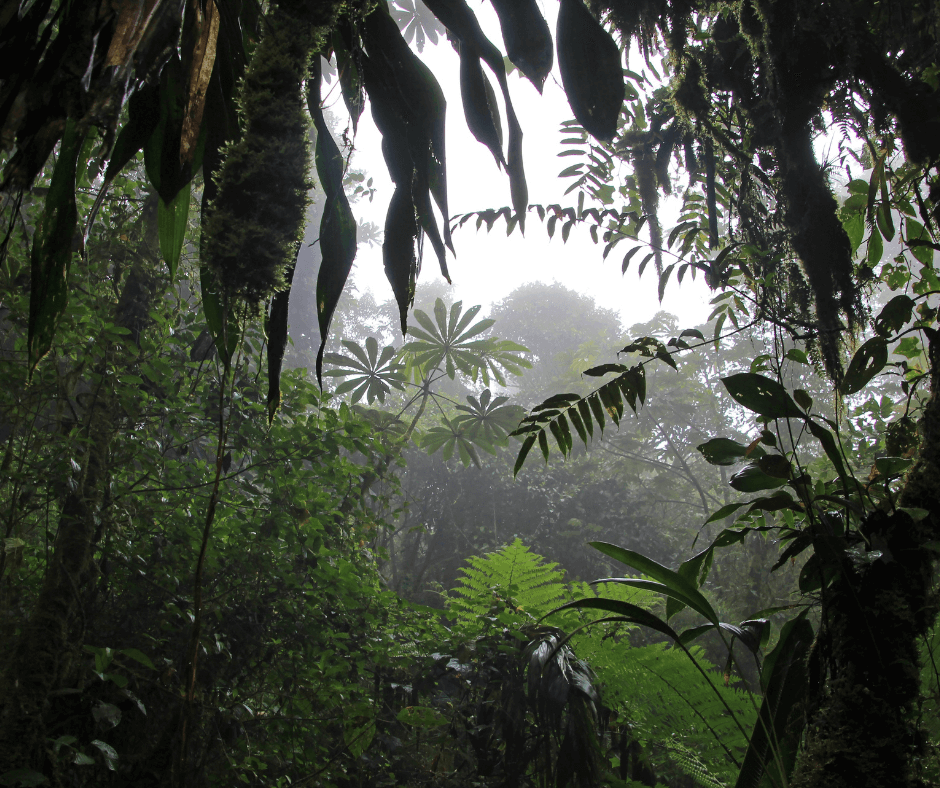
In 2008, when Bhutan adopted its first democratic constitution, it made an extraordinary commitment to environmental protection by requiring that at least 60 percent of the country’s total land area remain under forest cover at all times. This constitutional mandate not only reflects Bhutan’s deep-rooted cultural and spiritual connection to nature but also underpins its national conservation strategy.
By embedding ecological preservation into its highest legal framework, Bhutan has safeguarded vast tracts of biodiverse forest and supported large-scale carbon absorbtion—becoming the world’s first carbon-negative country and inspiring others to pursue similar goals. This pioneering approach has helped to mitigate climate change while protecting ecosystems and the well-being of future generations.
International Gorilla Conservation Programme (IGCP)
Established in 1991, the International Gorilla Conservation Programme is a collaborative initiative operating across Rwanda, Uganda, and the Democratic Republic of the Congo. It was formed as a partnership between the World Wide Fund for Nature (WWF), the African Wildlife Foundation (AWF), and Fauna & Flora, with the aim of protecting the critically endangered mountain gorilla and its habitat.
Through transboundary conservation efforts grounded in community engagement, habitat protection, and responsible tourism, IGCP has helped stabilise—and gradually increase—mountain gorilla populations once thought to be on the verge of extinction. At the same time, it has contributed to the protection of vital forest ecosystems that play a key role in carbon storage and climate resilience.
Lilagle Agroforestry Initiative
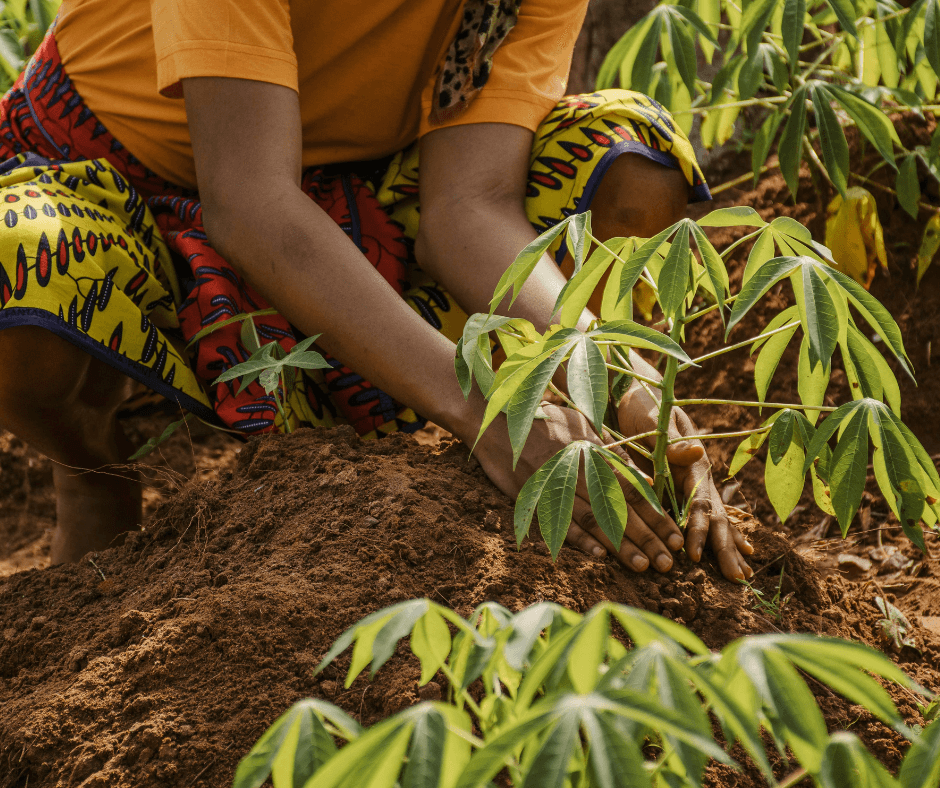
Established in 2023 in Cameroon, this initiative is a groundbreaking, community-led program rooted in the culture and land rights of rural women. Developed by the NGO Cameroon Ecology, Lilagle enables men to formally pass land to their wives and daughters through community ceremonies, allowing women to manage agroforestry plots alongside their families.
Since its founding, the initiative has secured 100 hectares of land for 35 women across 18 villages. This has led to the planting of more than 60,000 fruit trees, the creation of 16 community nurseries, and growing efforts in mangrove restoration. By integrating trees with food crops and fruit orchards, Lilagle enhances natural carbon removal—potentially storing up to 34 tonnes of CO₂ per hectare each year—while also improving biodiversity, soil health, and the stability of degraded land.
Through its culturally grounded approach, Lilagle is addressing climate change and empowering women to lead the way in climate resilience and ecological restoration across the Congo Basin.
Restoration Forth
Launched in 2022, this community-driven marine conservation initiative focuses on revitalising the Firth of Forth’s coastal ecosystems in Scotland, UK. Working alongside local communities and organisations, the project aims to restore vital habitats by reintroducing European flat oysters and seagrass meadows to the area.
By 2024, more than 40,000 oysters had been reintroduced, with an impressive 85 percent survival rate. Additionally, approximately 220,000 seagrass seeds were planted, alongside the transplantation of 880 seagrass cores. These efforts have enhanced biodiversity, improved water quality through natural filtration, stabilised sediments, and contributed to carbon sequestration—playing a valuable role in mitigating climate change.
The project also fosters strong community engagement, with over 1,100 people taking part in various events, thereby strengthening local stewardship of marine environments.
Yurok Tribe’s Salmon Restoration and Watershed Management
Based in Northern California, USA, this comprehensive environmental and cultural revival effort aims to restore the Klamath River and its tributaries, focusing on reintroducing salmon populations and rehabilitating vital watersheds. A significant milestone in this endeavour was the historic return of the Blue Creek watershed to the Yurok Tribe in 2025. This 47,000-acre area, lost during settler colonisation, is crucial for salmon migration due to its cooler waters and ideal spawning habitats.
Under the stewardship of the Yurok Tribe, management includes removing invasive species, applying traditional ecological practices such as prescribed burns, and improving water quality. These efforts have enabled salmon to return to previously inaccessible spawning grounds, boosted biodiversity, and strengthened the tribe’s cultural connection to the land.
Through this initiative, the Yurok Tribe is not only restoring ecological balance but also reaffirming sovereignty and traditional stewardship over their ancestral territories.
Djelk Indigenous Protected Area (IPA)
Established in September 2009, this Indigenous Protected Area covers approximately 6,732 square kilometres of Aboriginal Freehold Land in central northern Arnhem Land, Australia. It is managed by the Bawinanga Rangers, a community-based Indigenous land management program formed by traditional landowners in response to environmental concerns.
The Djelk IPA encompasses a wide variety of ecosystems, including coastal areas, estuaries, wetlands, river systems, and monsoonal rainforests. It is home to over 100 clan groups speaking at least 12 different languages. The primary aim of the Djelk IPA is to conserve biodiversity and cultural heritage through the application of traditional ecological knowledge and practices.
Management activities include controlled burning, invasive species control, and the protection of culturally significant sites. These efforts have contributed to restoring native habitats, preserving endangered species, and strengthening cultural ties to the land. By integrating Indigenous knowledge with contemporary conservation methods, the Djelk IPA serves as a model for effective, community-led environmental stewardship.

How To Stay Positively Involved in Climate Action
The climate crisis can feel disheartening, so staying involved means finding ways to respond with purpose, energy, and hope. There’s no doubt that the challenges are immense, but when we focus on solutions—big and small—we stay connected to the momentum that’s already shifting things for the better.
Whether you’re just getting started or looking to stay motivated, here are some meaningful ways to stay positively involved in climate action:
- Focus on What You Can Influence: Begin with your immediate surroundings—whether that’s your home, school, workplace, or local community. Small, consistent actions can create a ripple effect far beyond what you might expect.
- Join or Support Local Initiatives: Get involved with groups dedicated to conservation, climate justice, or sustainable living. Being part of a collective effort helps maintain long-term commitment and amplifies your impact.
- Balance the News You Consume: Stay informed about the challenges we face, but also seek out stories of climate solutions, innovation, and resilience. A balanced perspective strengthens your resolve. Remember to take breaks when you need them.
- Educate Others: Share what you learn with friends, family, and your wider network. Spreading awareness fosters collective commitment and empowers more people to act.
- Connect with Nature Regularly: Spending time outdoors deepens your connection to what’s at stake and can refresh your motivation and well-being.
By focusing on these actions, we can stay engaged in environmental efforts while responding with care and intention. When we direct our attention to progress and possibility, we are better equipped to persevere—even when the path ahead feels uncertain. Each of us has a role to play, and together, our collective efforts can help build a more sustainable and resilient future.
In Summary
From community-led conservation to major policy shifts and large-scale ecological restoration, climate action is unfolding in powerful—if often underreported—ways. These successes may not solve everything overnight, but they offer clear evidence that change, driven by innovation and people power, is already happening. In a world that frequently focuses on what’s going wrong, actively seeking out hopeful climate news can help us stay grounded and energised.
So let this post be a reminder: hope isn’t passive—it’s something we build and nurture by recognising progress, however small. If you want to stay motivated, keep learning about what’s working. Subscribe to a newsletter, follow environmental organisations, or take a moment each week to read one positive story about the planet. The more we share and celebrate what’s going right, the more momentum we create for lasting change.
What’s one piece of good climate news that’s inspired you recently? Which of the success stories in this post surprised or encouraged you most?
Further Info:
Climate Solutions – Union of Concerned Scientists
Scientists Discover New Plastic-Eating Fungi – Happy Eco News
 transatlantic | notes
Every single thing helps, especially AWARENESS. Thanks for continuing to share important news!
I agree! It felt good to actually share some good news, and reveal the innovation and commitment of amazing groups of people from around the world!
Yes, my wife’s show highlights everyday people doing extraordinary things to better their community and help others…good news that resonates can certainly help fight back against the constant negativity that is on social media and news as well…
Alhamdulillah. These are beautiful heartwarming stories. The world still have hope. We, humans must not give up. Thank you for sharing ^_^
They really are heartwarming, and much needed to read about to keep us all hopeful!
This is really hopeful climate change news and it’s good that there are new initiatives being put into place x
It was great to research for this post as it made me feel hopeful!
The world is full of negative news about the planet so it’s good to see some good news here. I love that we’re restoring the Earth. I hope we’re not too late.
It certainly is full of negative news, and that seems to be what we get the most of. It felt good to share something that uplifts the planet—and us at the same time!
This is so heartening, Molly! I love the inspiration to be ” active agents of change and climate justice.” The Bangladeshi example demonstrating how environmentally sustainable development can drive local prosperity – so good! Thanks for the good news!
It felt good to actually highlight some positive climate action that is making a real difference. There is so much innovation, it’s encouraging!
Hi Molly! This is an excellent article and I love every example you shared! It feels good to hear about positive change for the environment and that other groups and countries are prioritizing biodiversity and sustainability. I also love that you’re in a group of writers focusing on this topic! Thank you!
It was uplifting to research and write this post. It felt good to share some of the many wonderful initiatives and community work that is being done to help protect our beautiful planet. Thanks for reading!
It’s always nice to see what we’ve managed to accomplish. I think we could do a lot to reverse the damage we’ve inflicted on the ecosystems we share this planet with. But I’m definitely concerned going forward, because I don’t think it is a priority in the countries that should be leading the efforts (as they’re the same ones doing the most damage). With all the cuts the U.S. has done to scientific research and advancement, I don’t see a very bright future ahead.
There is (rightfully so) a lot of concern about the future, especially in light of rollbacks to environmental protections and the attacks on climate science. This is definitely a time to be innovating, and things do seem bleak. But even in the face of setbacks, I think there’s power in collective effort—even when it seems like an insurmountable obstacle.
This certainly gives us hope, I am happy to hear there are some positives. When I watch the news, it seems to be pretty gloomy. I often wonder how the bombs of current times will impact the earth, it can’t be good.
The news is often very disheartening, and we must see what needs to change in order to change it—but it’s also uplifting and important to see what is actually being done (and working). I hope this dose of positive news keeps you and any other readers engaged and committed to caring for our planet.
Thanks for this inspiring post, Molly. We need more of this kind of news.
I’m not at all surprised to see some Inigenous-led initiatives on the list. We see a lot of Indigenous-led projects in Canada that are founded in respect for the land.
💚
Indigenous People from all over the world are incredible stewards of nature and the areas they live in. We can learn a lot from them, and it’s good to see that some countries/places are respectful of this and understand/adopt their leadership.
Just writing my response post highlighting several Indigenous led projects across Canada.
This sounds great, I am excited to read your post!
I love that you are highlighting so much positive climate news, this was so inspiring to read! Thanks for sharing! 🙂
It was good to be reminded of all the wonderful things going on around the world as I researched this (and to share them for others to read about them)!
This was such an inspiring read! It feels rare to read hopeful news when it comes to climate change, so this was very heartwarming. News like this is motivating, inspirational, and still creates awareness. Thanks for sharing!
I think it can be so easy to feel like nothing is improving—and even though governments and industry are clearly not doing enough—it’s encouraging to know that there is dedication and innovation going on despite this. Thanks for reading!
Thank you so much for posting this! The world has become so dark, and the future so bleak, that it’s hard to see the flecks of sunlight nowadays. Thank you for the tips as well. I became vegan for the animals, but I’m glad my lifestyle is also helping the environment in some way.
Hearing climate change news can feel so heavy and like there is no hope, so it’s always a good idea to remind ourselves that there is actually so much positive work going on. I definitely need this!
There is always a lot of negative news about climate change, so it is great to see all the positive changes that have been happening around the world!
It was refreshing to be able to research and share these great climate wins. I hope to read about many more!