
Explore simple, practical ways to reduce all major types of pollution and learn how to support local and global efforts for a cleaner, healthier planet.
Pollution is a major global environmental issue with far-reaching impacts that connect us all. What we do, and the choices we make—from our individual climate actions focused on sustainable living practices to the government leaders and policies we vote for, and the environmentally friendly organisations we support—can all make a difference.
As many of us are aware, when harmful substances—commonly known as pollution—are introduced into the environment, affecting the air we breathe, the water we drink, and the land we live on, it does not just harm nature. It also poses serious risks to our health, contributing to everything from respiratory problems and cardiovascular disease to neurological issues and certain cancers.
Understanding the different types of pollution is the first step towards making practical, positive changes.

If, like me, you are concerned about the increasing impact pollution is having on the natural environment—including how it exacerbates global warming and threatens the future of our well-being, particularly for the generations to come—then this post is for you.
It’s essential we all understand the most common and urgent types of pollution, how they affect us, and why they matter. For each one, I will share simple, practical steps we as individuals can take to reduce our own contributions, as well as highlight key organisations that deserve support as they lead the way in addressing these issues on a systemic or global level.
This post is part of the Climate Change Collective, a dedicated group of bloggers that tackle environmental and climate-related issues. The lead topic this month, ’Let’s Talk About Pollution Rather Than Climate Change’ was written by Jamie from JamieAdStories.
Types of Pollution and Practical Ways to Tackle Them
The following have a significant environmental impact and often contribute to climate change in a multilayered and complex way. There is no simple or all-encompassing solution to address them. However, the information provided here offers a valuable starting point for quickly recognising that we are not without power or purpose — and that we can each play a part in driving meaningful climate action to help secure a more stable and sustainable planet.
What You Need To Know About Air Pollution
Air pollution occurs when the atmosphere becomes contaminated by harmful substances like gases, chemicals, or fine particles released into the air. It’s mainly caused by burning fossil fuels for transport, energy, and industry, as well as by agriculture and waste. These pollutants damage ecosystems, reduce biodiversity, and contribute to global warming by increasing the concentration of greenhouse gases like carbon dioxide and methane.
Air pollution is also a major health concern, linked to respiratory conditions, heart disease, strokes, and some cancers, with vulnerable groups such as children and older adults particularly at risk.
What We Can Do:
- Drive Less and Use Cleaner Transport – Depending on what is accessible and appropriate for us to do, we could focus on walking, cycling, or using public transportation more. We can even car share whenever possible and make sure we turn off the engine when it’s idling to reduce vehicle emissions.
- Limit Use of Petrol-Powered Tools – Choose manual or electric alternatives for gardening and DIY to cut down on noise, fumes, and reliance on fossil fuels.
- Avoid Burning Waste or Wood – Open fires and garden waste burning release harmful pollutants; compost or recycle instead, and use cleaner heating options where possible.
- Speak Up for Tree Planting and Green Space Projects – Champion any local efforts that aim to protect or expand green areas (like planting trees and creating community gardens). We can also donate time, resources, or money to support these initiatives.
- Vote for Clean Air Zones – Advocate for the creation of low-emission areas in our towns and cities to reduce traffic-related pollution by charging or restricting high-emission vehicles to encourage cleaner local travel. This could also include community transport initiatives that back schemes that promote car sharing, cycling, or better public transport access.

Organisations To Support:
- National Tribal Air Association (NTAA) – “[…] advance air quality management policies and programs, consistent with the needs, interests, and unique legal status of American Indian Tribes and Alaska Natives.”
- BreathLife – “[…] combines public health and climate change expertise with guidance on implementing solutions to air pollution in support of global development goals.
- Clean Air Fund – “[…] a global philanthropic organisation working with governments, funders, businesses and campaigners to create a future where everyone breathes clean air.”
What You Need To Know About Water Pollution
Water sources such as rivers, lakes, and oceans become polluted when harmful materials, including chemicals, waste, and microorganisms, are introduced. This is primarily caused by industrial discharge, agricultural runoff, untreated sewage, and plastic waste. This type of pollution damages aquatic ecosystems, disrupting biodiversity and interfering with essential processes such as nutrient cycling, oxygen levels, and food chains.
It also contributes to climate change by releasing methane and other greenhouse gases from polluted water sources. Water pollution poses serious risks to human health, leading to waterborne diseases, skin infections, and respiratory issues, particularly in areas that lack access to clean water and proper sanitation.
What We Can Do:
- Avoid Pouring Chemicals or Medications Down the Drain – Dispose of household cleaners, oils, and medicines safely through proper collection programmes. Wastewater treatment plants are not always capable of filtering out every chemical, meaning traces of these substances can pass through and reach natural water sources. These pollutants can harm aquatic life, disrupt ecosystems, and even contaminate drinking water supplies, posing health risks to humans.
- Minimise Fertiliser and Pesticide Use – When gardening, choose natural or organic alternatives to help prevent harmful chemicals from being washed into drains and waterways during rainfall.
- Reduce Plastic Use – Cut back on single-use plastics to prevent waste from breaking down into smaller pieces, which can enter waterways and degrade into harmful microplastics that harm aquatic life.
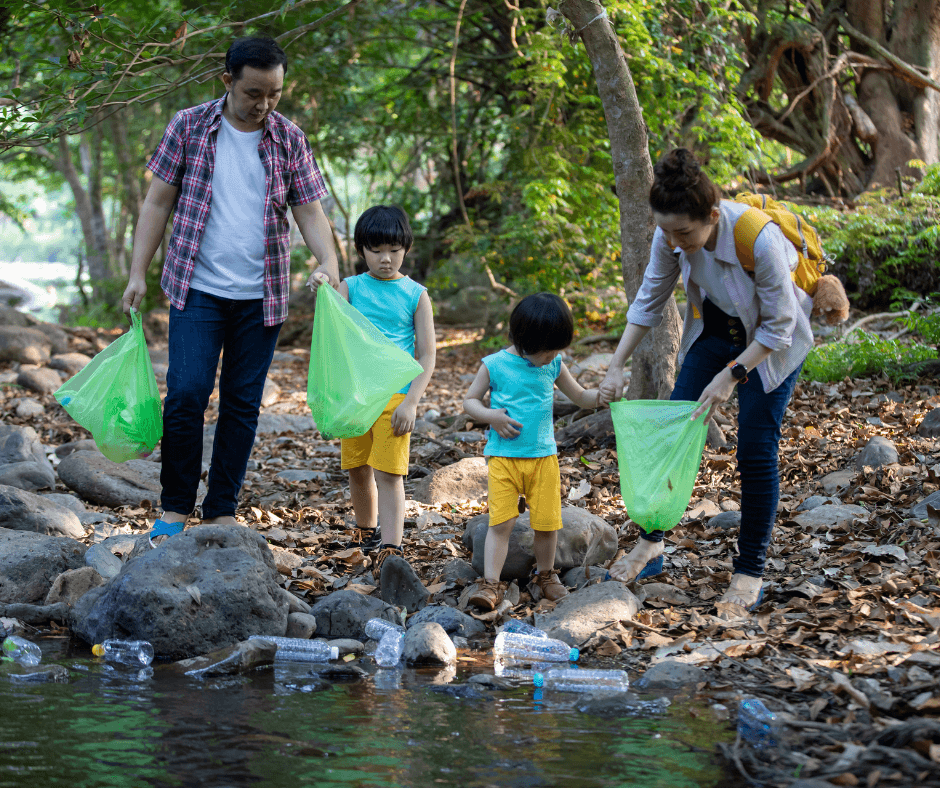
- Join Local Clean-Up Initiatives – Take part in or organise community clean-ups of rivers, beaches, and parks to remove litter and prevent waste from contaminating waterways.
- Advocate for Stronger Water Protection Policies – Support and promote local campaigns or petitions that call for stricter regulations on industrial pollution and improved water quality standards.
Organisations To Support:
- Clean Water Action (within the U.S.) – “[…] organizes strong grassroots groups and coalitions, and campaigns to elect environmental candidates and to solve environmental and community problems.”
- Waterkeeper Alliance – “[…] a global movement of community-based advocates united for clean, healthy, and abundant water for all people and the planet.”
- Water for People – “[…] a global nonprofit working across Latin America, Asia, and Africa to address the global water crisis. We’re equipping communities with lasting access to clean water and dignified bathrooms—for Everyone Forever.”
What You Need To Know About Plastic Pollution
Plastic pollution refers to plastic waste, typically from single-use, disposable products like bottles, bags, and packaging, that ends up in natural environments. It harms wildlife by choking, entangling, and poisoning animals. Plastics also break down into microplastics, which contaminate water, soil, and air.
The production and disposal of plastic contributes to climate change by emitting greenhouse gases. Human health is affected through the ingestion of microplastics, which can enter the food chain and lead to various health issues.
What We Can Do:
- Choose Plastic-Free Products – Support brands that use minimal or no plastic packaging, and opt for natural materials when possible to reduce industrial demand for newly produced plastic and lower related emissions.
- Reduce Single-Use Plastics – Opt for reusable alternatives to things like shopping bags, water bottles, and containers to minimise the amount of household plastic waste that gets thrown away.
- Advocate for Better Recycling Infrastructure – Encourage local councils to expand access to recycling facilities and provide clearer education around what can be recycled.
- Promote Refill and Zero-Waste Schemes – Support local businesses and policies that offer refill stations and plastic-free alternatives to help reduce packaging waste.
Organisations To Support:
- eXXpedition – “[…] runs pioneering all-women sailing research expeditions at sea and virtually voyages on land to investigate the causes of and solutions to ocean plastic pollution.”
- Youth Against Plastic Pollution – “[…] to protect the Earth and its oceans by reducing the use of plastic in our everyday lives and providing others with the resources to do the same. Founded and run by teens, we believe that our generation can and must help lead the way towards a cleaner and healthier planet.”
- Plastic Bank – “[…] a social fintech with a global bottle deposit program that helps end poverty and stops plastic pollution.”
What You Need To Know About Soil Pollution
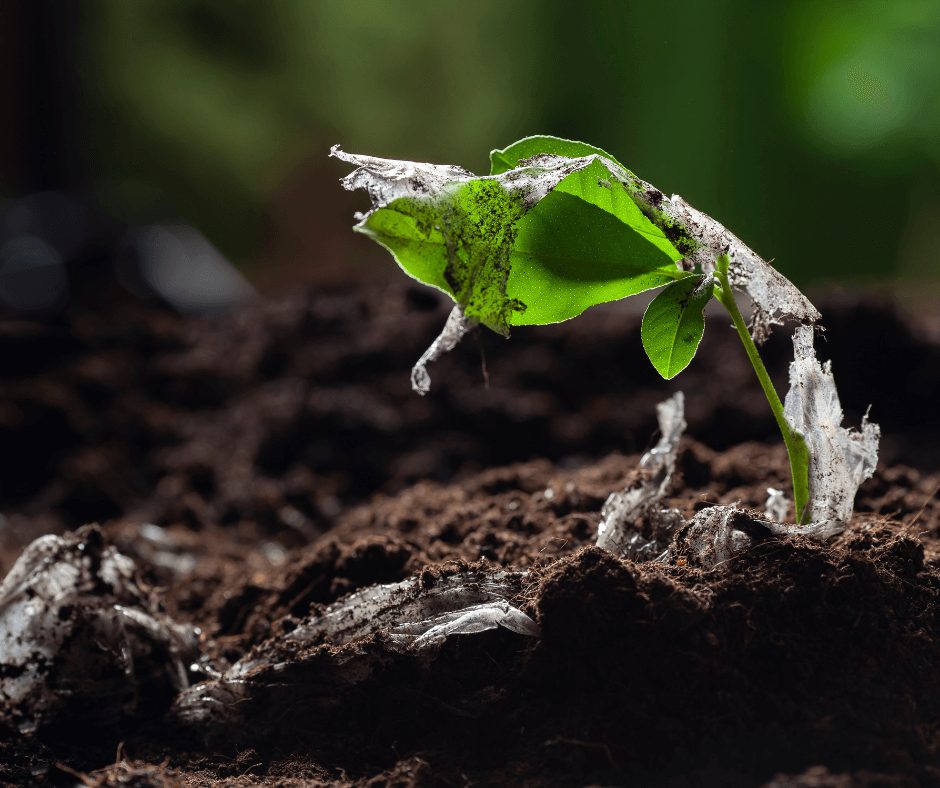
Soil pollution occurs when harmful substances such as chemicals, waste, and heavy metals contaminate the land. It can result from the improper disposal of industrial waste, pesticides, and plastic waste, all of which harm ecosystems by reducing soil fertility and disrupting plant growth.
Soil pollution can also exacerbate climate change by interfering with the natural carbon storage in the soil, leading to the release of greenhouse gases. For humans, exposure to polluted soil can cause serious health issues, including respiratory problems and contamination of the food supply.
What We Can Do:
- Compost Organic Waste – Reduce food scraps and yard waste in landfills by composting, which not only helps enrich the soil but also reduces pollution.
- Grow Plants That Are Local to Your Area – They are better suited to local soil conditions and reduce the need for harmful fertilisers.
- Advocate for Green Spaces – Support policies that create and maintain green spaces, such as community gardens and urban forests, which absorb pollutants and improve soil quality.
- Support Legislation for Stricter Waste Management – Get involved in local initiatives to pass policies that regulate hazardous waste disposal and promote safe soil management.
Organisations To Support:
- Soil Association – “[a British registered] charity working with everyone to transform the way we eat, farm and care for our natural world.”
- Soil and Water Conservation Society (SWCS) – “[…] is the premier international organization for professionals who practice and advance the science and art of natural resource conservation.“
- Native Land Conservancy – “[…] an Indigenous-led land conservation nonprofit. […] Our mission is to preserve and restore healthy landscapes for all living things wherever possible.”
What You Need To Know About Livestock Farming Pollution
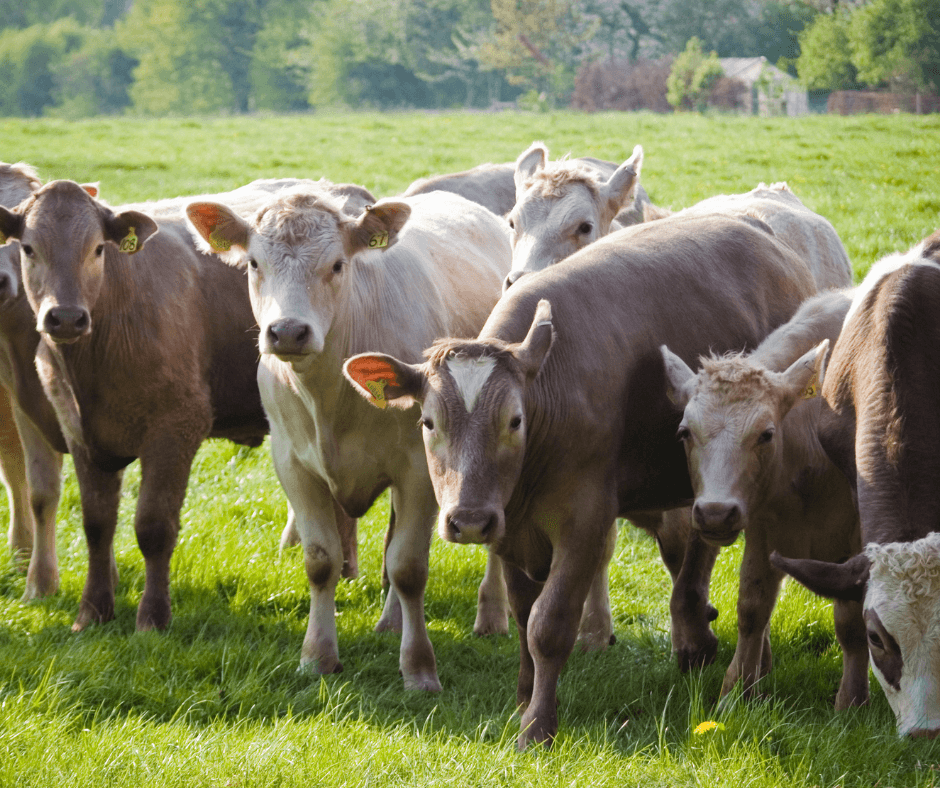
Livestock farming pollution primarily arises from methane emissions, waste runoff, and land degradation. Cattle, sheep, and other animals produce methane during digestion, a potent greenhouse gas that contributes to climate change. Large-scale farming also leads to deforestation and soil erosion, further damaging ecosystems. Waste runoff contaminates water sources, impacting both wildlife and human health.
Additionally, intensive farming practices can introduce harmful pathogens and contribute to antibiotic resistance, posing direct health risks to both humans and wildlife.
What We Can Do:
- Dietary Changes – Shifting towards more plant-based food or at least reducing meat consumption can lower the demand for livestock farming, sending a clear message to governments and industries to invest in more sustainable and ethical food production systems.
- Support Local, Ethical Farms – Choose producers that prioritise animal welfare, regenerative practices, and minimal environmental impact. Doing so helps reduce the negative effects of industrial livestock farming, while also strengthening local economies and encouraging more sustainable food systems.
- Ask Government Leaders to Back Sustainable Farming Practices – Advocate for policies and elect representatives who focus on reducing emissions, protecting soil and water, and funding alternatives to industrial livestock farming.
Organisations To Support:
- The Land Institute – “[…] a science-based research organization working to develop an alternative to current destructive agricultural practices.”
- Rainforest Alliance – “[…] creating a more sustainable world by using social and market forces to protect nature and improve the lives of farmers and forest communities.”
- Aranya Agricultural Alternatives – “[a non-profit in India] aims to provide alternative solutions to the present conventional and chemical agricultural practices.”
In Summary
Pollution is a systemic issue driven by industries and governments prioritising profit over the environment. While it causes widespread harm, change is possible through collective action and policy reform. Historically marginalised communities are often the most affected, making it crucial to advocate for solutions that address both environmental and social justice.
Individuals can still make a meaningful impact by adjusting personal habits and supporting sustainable practices. When combined with advocacy and community engagement, these efforts amplify change, pushing for green policies and collective action that tackle pollution at its roots.
How do you champion the fight against pollution? Are there local or national initiatives in your area that actively tackle the issue?
Further Info:
Viewing the Climate Crisis Through a Social Justice Lens – Earth.Org
Earth Month 2025: These Women Are Taking Climate Action – The Story Exchange
 transatlantic | notes
Good knowledge sharing. And good tips as well. Keep up the good work.
Thank you so much; I’m glad sharing this was useful!
So much here – and all so important. Imagine if everyone did one small thing a day to help fight back against the destruction of our planet…we can make a difference!
It would be incredible if there was absolute collective action! The positive change that could be achieved would be awe-inspiring.
It takes so little for each of us to, collectively, have such a big impact….thanks for sharing so much important information!
I love that there are so many ways to tackle the different types of pollution x
It’s good to know we all have options and things to try out!
Great post! I love these practical and actionable steps to improving pollution. It’s something we all need to think about. Thank you for sharing x
I agree, we all need to get involved in some way. It all makes a difference and can be a way to encourage others to do the same!
Thank you for an insightful post on tackling pollution.
it’s the responsibility of each one of us on the planet to be mindful of our actions and choices that impact the health of our planet.
I hope that more and more people take action in some way individually, and as a collective when holding voted officials, etc accountable. We can really make a difference!
Wow what an amazing resource of information. Thank you for putting it together and sharing.
Thank you! I’m glad this was useful and informative.
I hadn’t appreciated how much livestock farming contributes to pollution, that was quite an eye opener. Excellent post, Molly, very insightful and useful, thank you.
It is amazing how certain industries add to pollution, and that while there is no perfect answer to it all, there are ways to make things more sustainable and environmentally-friendly.
This is so informative and I’ll be sharing this! Thank you for also including so many helpful resources.
I am so happy this was helpful!
Another spot on post, Molly! I love being able to take the time to thoroughly read through your posts. One thing that jumped out is the disposing of chemicals properly! I think it’s so important to dispose of chemicals in the right way, whether thats down the drain or dumping them. A lot of people tend to dump paint and oils into a local quarry here and it’s awful, especially as we have a recycling centre near to it which is free! Your post is bursting with impactful tips to help our planet, Thanks for sharing 😊
I think a lot of people assume that they can just send stuff down the drain, and don’t realise the issues and impact that can actually have. It would be great to see more education in general about that!